Purpose
Introduce modern and sustainable beekeeping as a climate-resilient livelihood option for communities in Jomotsangkha Wildlife Sanctuary.
Climate Impacts
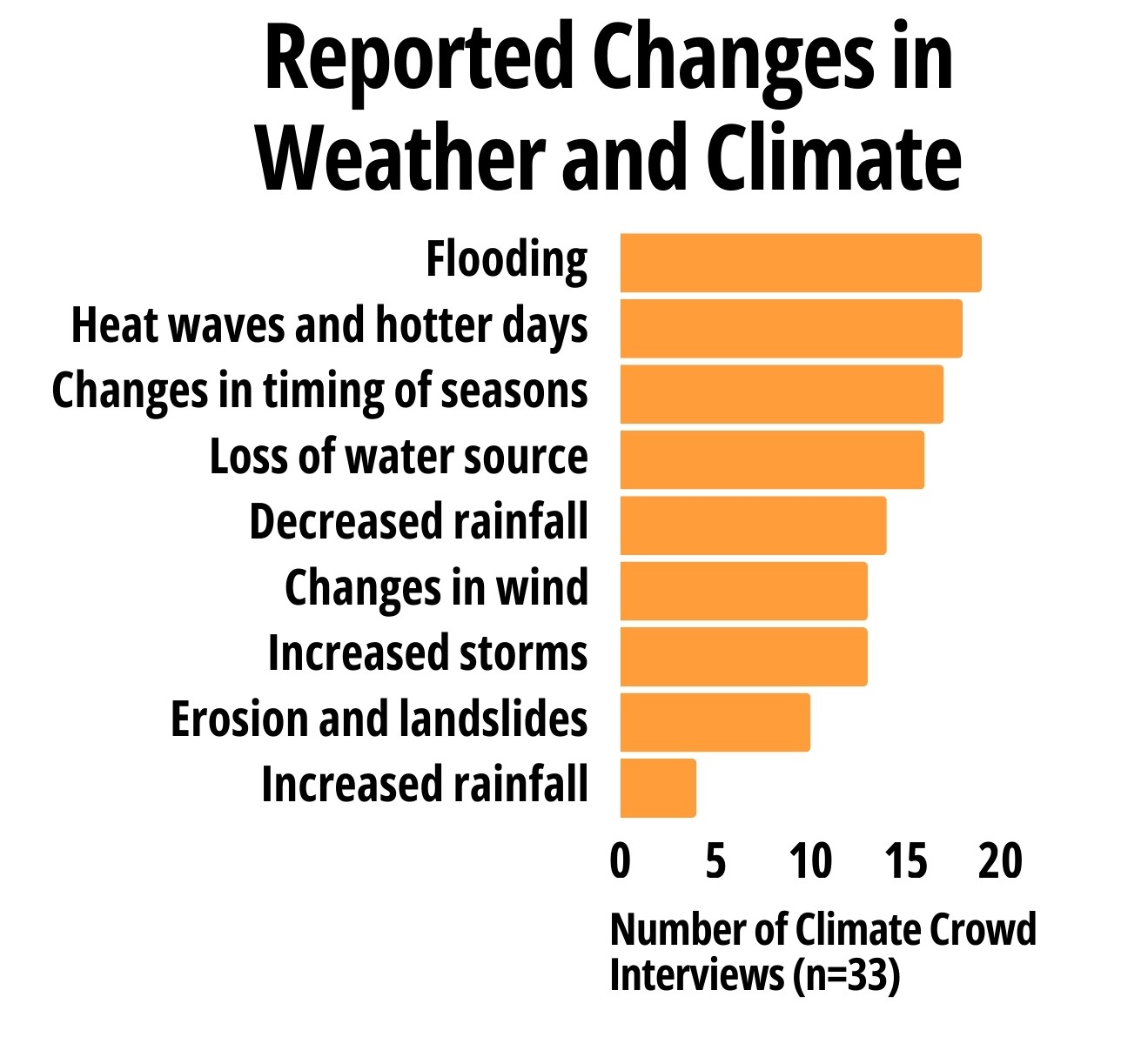
The following impacts were reported by community members in Jomotsangkha Wildlife Sanctuary:
• Decreased availability of freshwater leading to water shortages
• Increased flooding from more severe monsoons
• Loss of crops due to water scarcity and decreased rainfall
• Reduced income from crop losses
Activities
Training on beekeeping
A training on apiculture, including basic bee biology, bee handling, hive management, pest and disease management, and honey harvesting techniques, was conducted for 38 households. The training was conducted by a local established beekeeper.
Equipment procurement and supply
Local carpenters were hired to build modern hive frames from local tree species for the participating households. Each household was supplied with three hive frames, intended for rearing eastern honeybees, and a honey extractor.
Nutrition profiling
Honey samples from reared eastern honeybees and stingless bees were sent to a lab in India to conduct nutrition profiling for product packaging.
Label design
Labels were designed by a consultant with nutrition facts, and 300 labels (200 for eastern honeybees and 100 for stingless bees) were provided to each household for product packaging. Digital copies of the labels were also provided, so more can be printed as needed.
Packaging supply
Each household was supplied with 100 glass jars for packaging. Half of the glass jars could hold 250 grams of honey, and the other half could hold 500 grams. Connections were also made between the participants and the glass supplier, so more jars could be acquired in the future.
Development of marketing and operating plans
Standard operating procedures were developed to ensure uniformity in terms of hive management, honey production, and packaging since the honey products will be sold in bulk. A consultant was also hired to develop a marketing campaign for the honey, including videos and social media posts.
Market access
Participants were taken on a trip to meet potential buyers throughout Bhutan, establishing sustainable market access.
project outcomes
project design
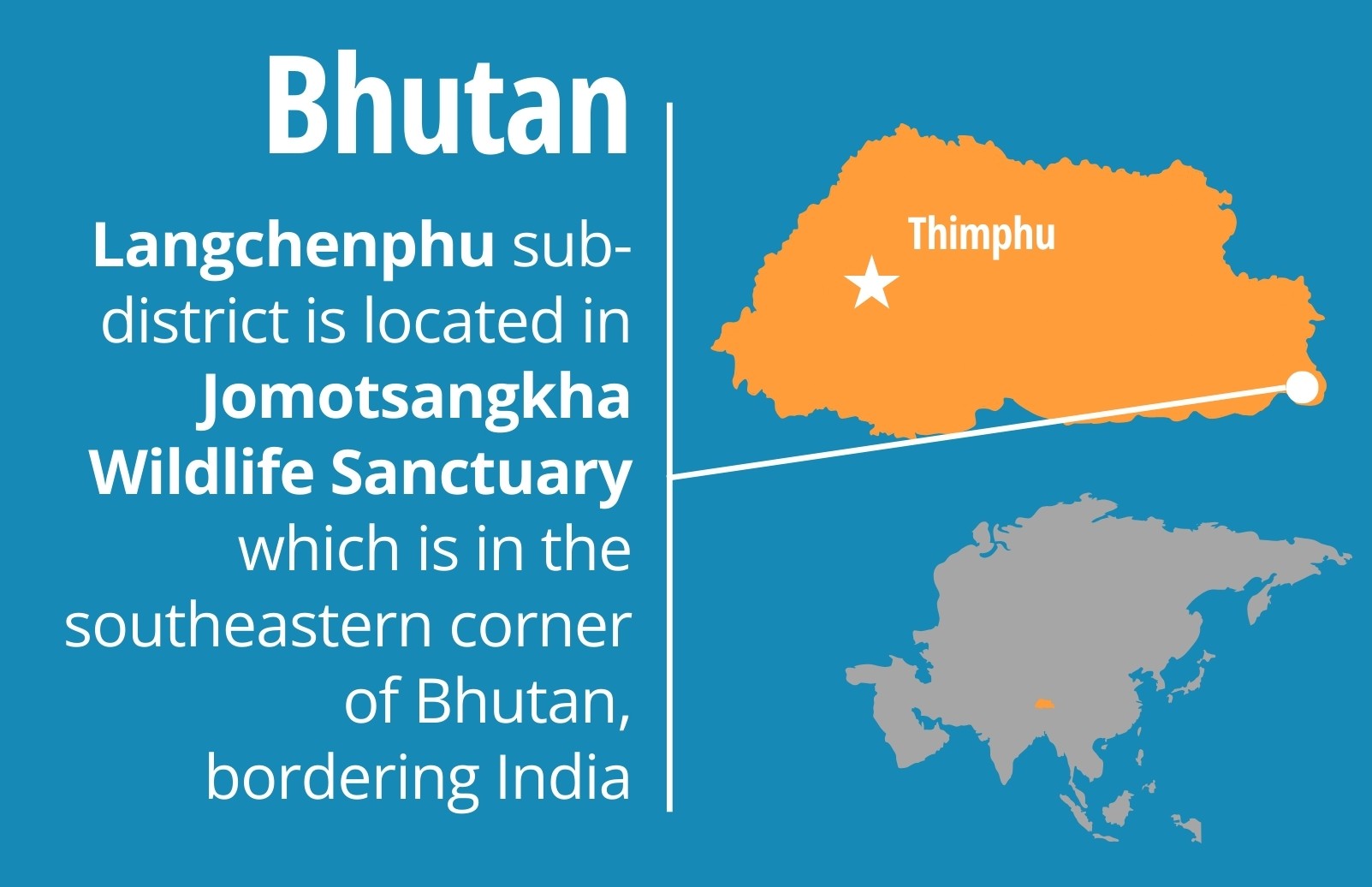
In Langchenphu, a sub-district within Jomotsangkha Wildlife Sanctuary (JWS) in Bhutan, communities depend largely on agriculture and livestock. However, climate-related pressures such as erratic rainfall, habitat degradation, pest outbreaks, and drying water sources are increasingly affecting ecosystems and agriculture, underscoring the need for climate-resilient, nature-based income options. Community consultations identified beekeeping as a culturally familiar, environmentally sustainable, and high-potential livelihood that can supplement incomes while reducing pressure on natural resources. Although apiculture is already practiced by about a quarter of households, it remains small-scale and largely traditional, with limited technical knowledge, low productivity, and weak market access.
To further introduce beekeeping into Langchenphu, 38 households were trained in modern, climate-resilient eastern honeybee and stingless bee apiculture. Key activities included hands-on training in modern beekeeping techniques tailored to local conditions and delivered in local dialects, covering bee biology, hive management, pest and disease control, and hygienic honey harvesting. The training was conducted by a local established beekeeper who rears the same species of bees in a similar geographic location. The construction of modern hive frames from native tree species was also supported, ensuring compatibility with the chosen bee species.
To strengthen market competitiveness and income generation, the project supported value addition, quality assurance, and marketing. This includes nutrition profiling of both eastern honeybee honey and the high-value stingless bee honey known as “Pudka honey,” development of branded labels, provision of glass packaging, and supply of honey extractors to improve hygiene and productivity. Previously, apiculturists in the area used a traditional method for extracting honey which involved squeezing the honeycomb by hand and draining it through a clean cloth, reducing productivity and hygiene. Reused plastic bottles without labels were also used to store and sell the honey.
Image credits: Nikhil Advani/WWF-US
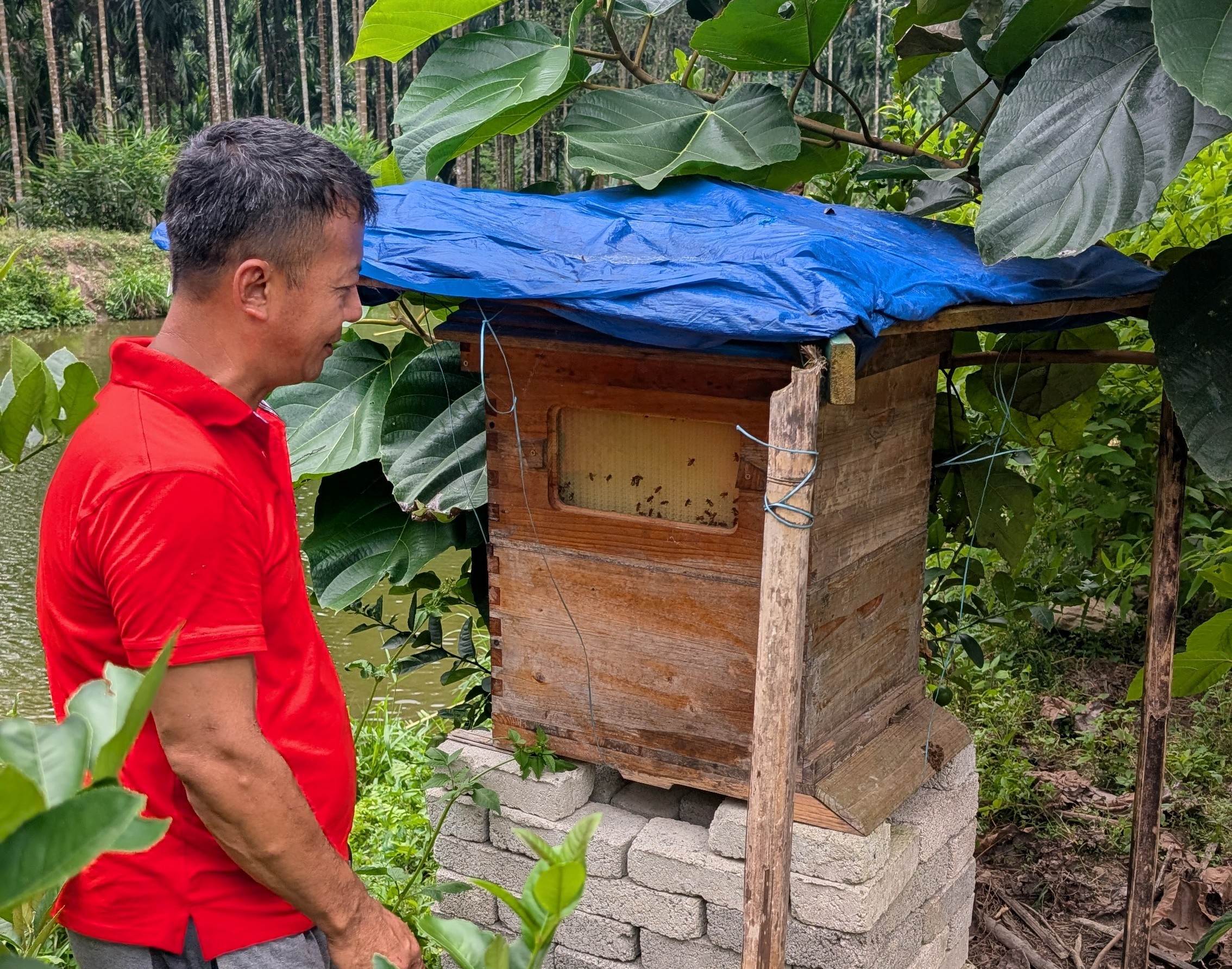
One of the eastern honeybee hive boxes
Standard operating procedures were developed so honey can be marketed collectively under a single product identity, while production remains household-based. Finally, market linkages were established with domestic buyers in major urban areas through exchange visits, promotional materials, and social media outreach, enabling communities to access premium markets. Supporting the establishment of lasting and sustainable beekeeping enterprises was a priority, so all participants were given the resources to continue producing quality honey even after project completion. These resources included digital versions of the product labels, contact information for the glass jar supplier and the contractors who built the hive frames, and new market access.