Purpose
Introduce soft broom production from broom grass cultivation as a climate-resilient livelihood option for communities in Jomotsangkha Wildlife Sanctuary.
Climate Impacts
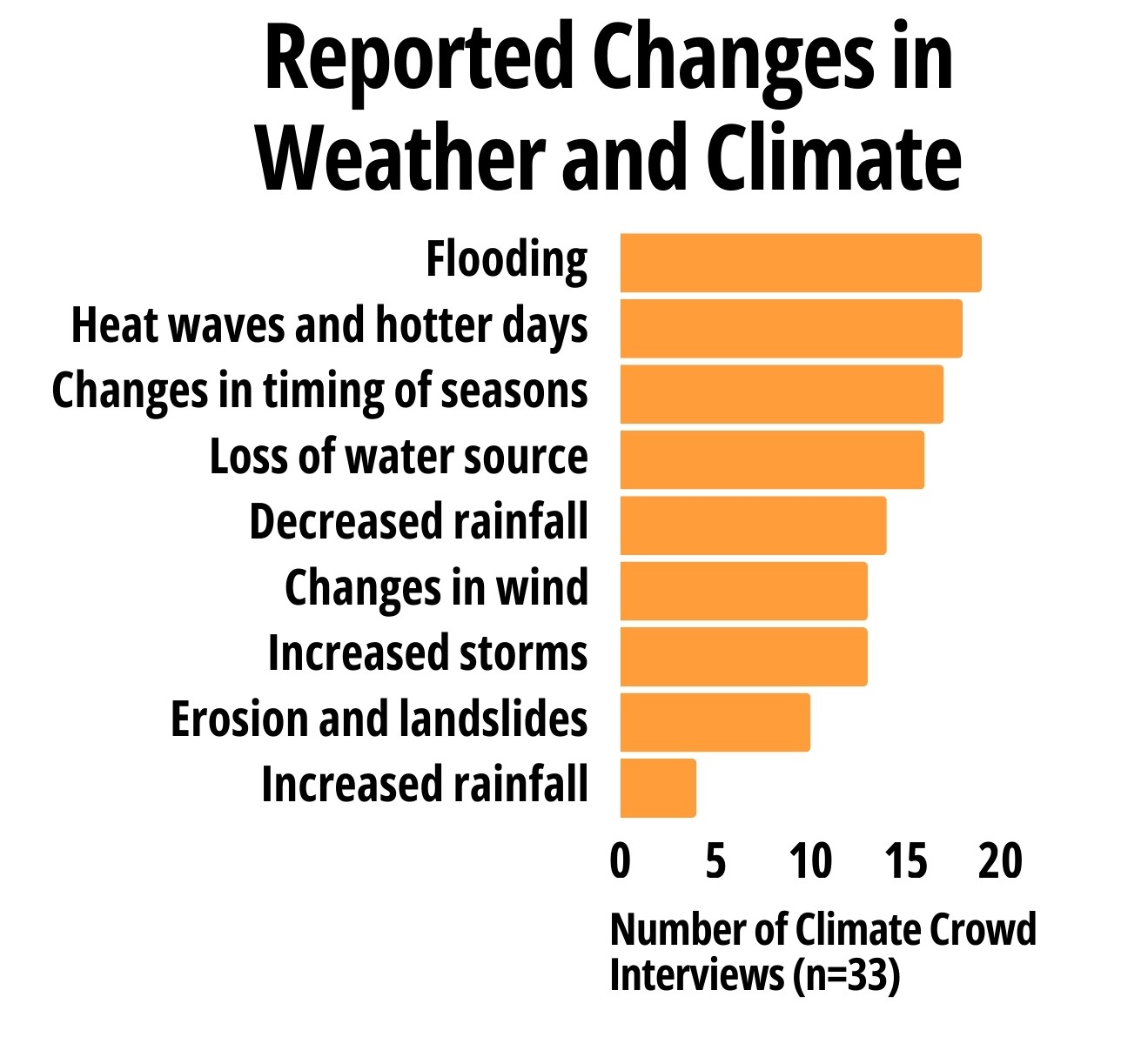
The following impacts were reported by community members in Jomotsangkha Wildlife Sanctuary:
• Decreased availability of freshwater leading to water shortages
• Increased flooding from more severe monsoons
• Loss of crops due to water scarcity and decreased rainfall
• Reduced income from crop losses
Activities
Site development
6.7 acres of land owned by the six participating households was selected for soft broom grass plantation. The land was overgrown with vegetation and was cleared for plantation. Clear felling of trees was avoided.
Fence procurement and installation
Electric and bio-fences were procured and installed around the seven acres to avoid human-wildlife conflict, especially with Asian elephants. Lemon trees were also planted along the fence lines as a natural deterrent for Asian elephants.
Development of operating procedures
Standard operating procedures were developed to ensure uniformity in terms of grass plantation and packaging since the brooms will be sold in bull to meet demand.
Training on soft broom production
A training on soft broom grass plantation was conducted for members of the six participating households. The training covered cultivation and management, harvest and post-harvest management, and an introduction to the value chain.
project outcomes
project design
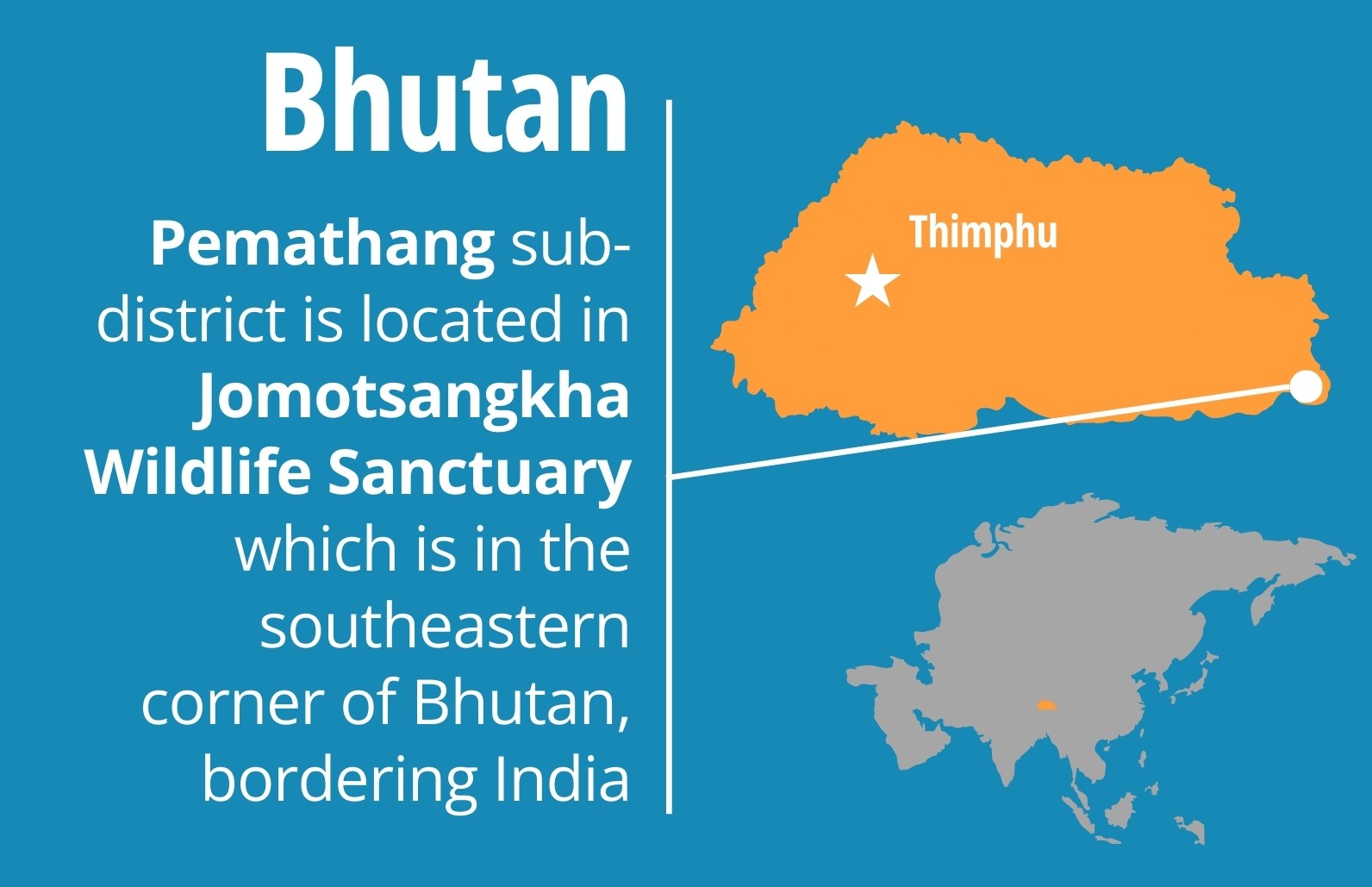
The southern landscape of Jomotsangkha Wildlife Sanctuary (JWS) in Bhutan is characterized by a warm, humid tropical climate, high annual rainfall, and fragile geological conditions that make local livelihoods increasingly vulnerable to climate change. Erratic rainfall, landslides, drying water sources, invasive species, and rising human–wildlife conflict have significantly reduced agricultural productivity and household incomes. Communities that depend primarily on farming and livestock are experiencing declining crop yields, increased pest and disease outbreaks, and frequent crop depredation by wildlife.
To address this, six households in the Pemathang sub-district within JWS were trained in soft broom production to supplement agricultural income generation. Some community members had previously piloted soft broom grass plantation, and verified that if produced at a larger scale, it could be a reliable source of income that is less susceptible to climate extremes. To prepare for the scaled soft broom grass plantation, 6.7 acres of land was cleared of overgrown vegetation, paying careful attention to not remove too many trees. This land is privately owned by the participating households rather than state-leased land, ensuring full community ownership.
Considering the income loss communities in JWS experience from wildlife crop-raiding, which is becoming more frequent as resources in the wild dwindle, electric fences and bio-fences were installed around the plantation land. To add another layer of protection from Asian elephants, who are the main instigators of crop-raiding since broom grass is not palatable to other species like ungulates, lemon trees were planted around the perimeter of the fences. Lemon trees are often used as natural elephant deterrents, and any lemons produced by the trees can be used by community members or sold.
Standard operating procedures were also developed to ensure consistent production, quality control, and collective marketing. A hands-on training was conducted to build skills in broom cultivation, harvest, post-harvest handling, and value chain integration. Together, these interventions aimed to increase household income, reduce climate and wildlife-related risks, and promote sustainable land use that aligns livelihood resilience with conservation objectives.
Image credits: Nikhil Advani/WWF-US
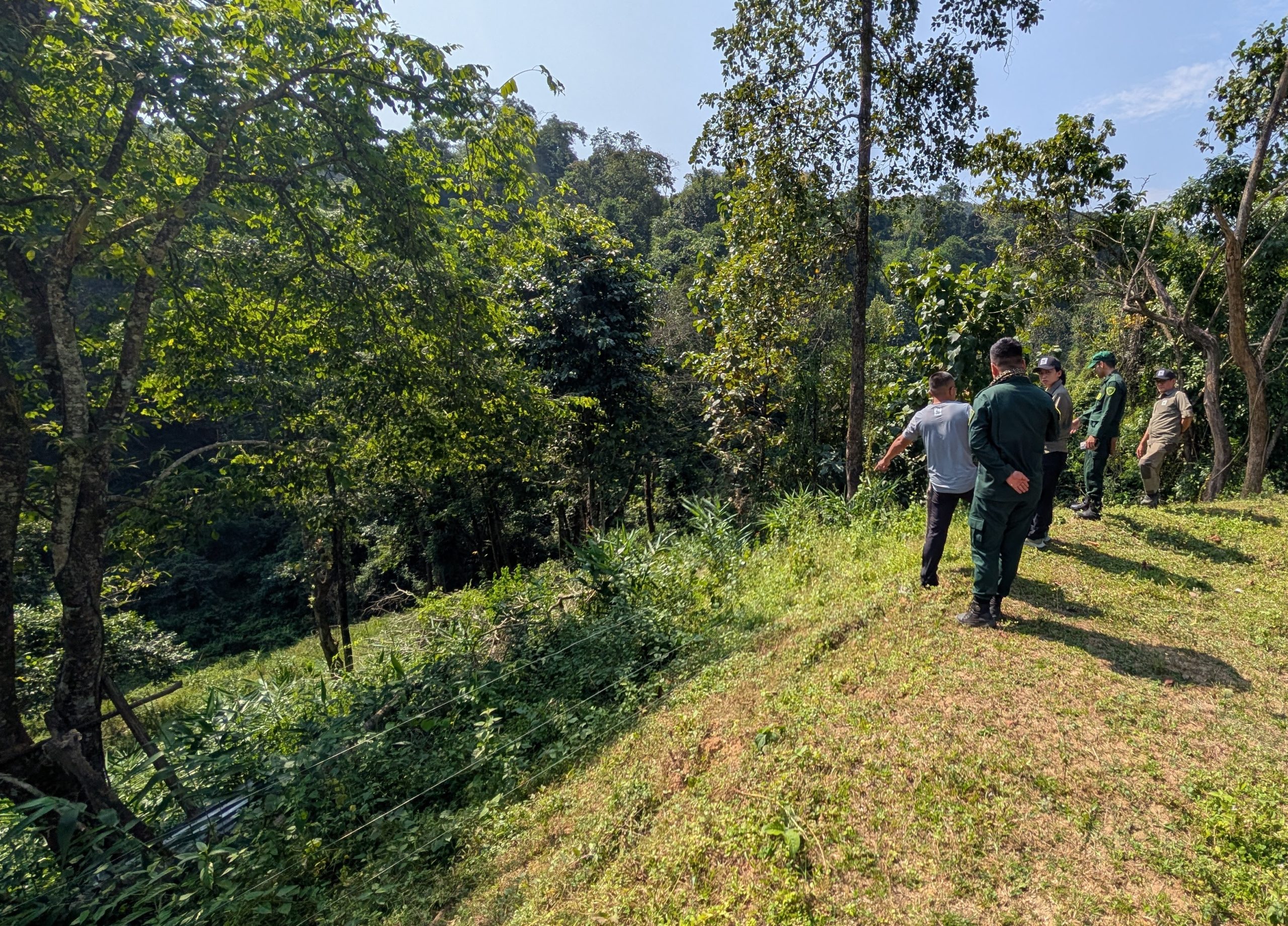
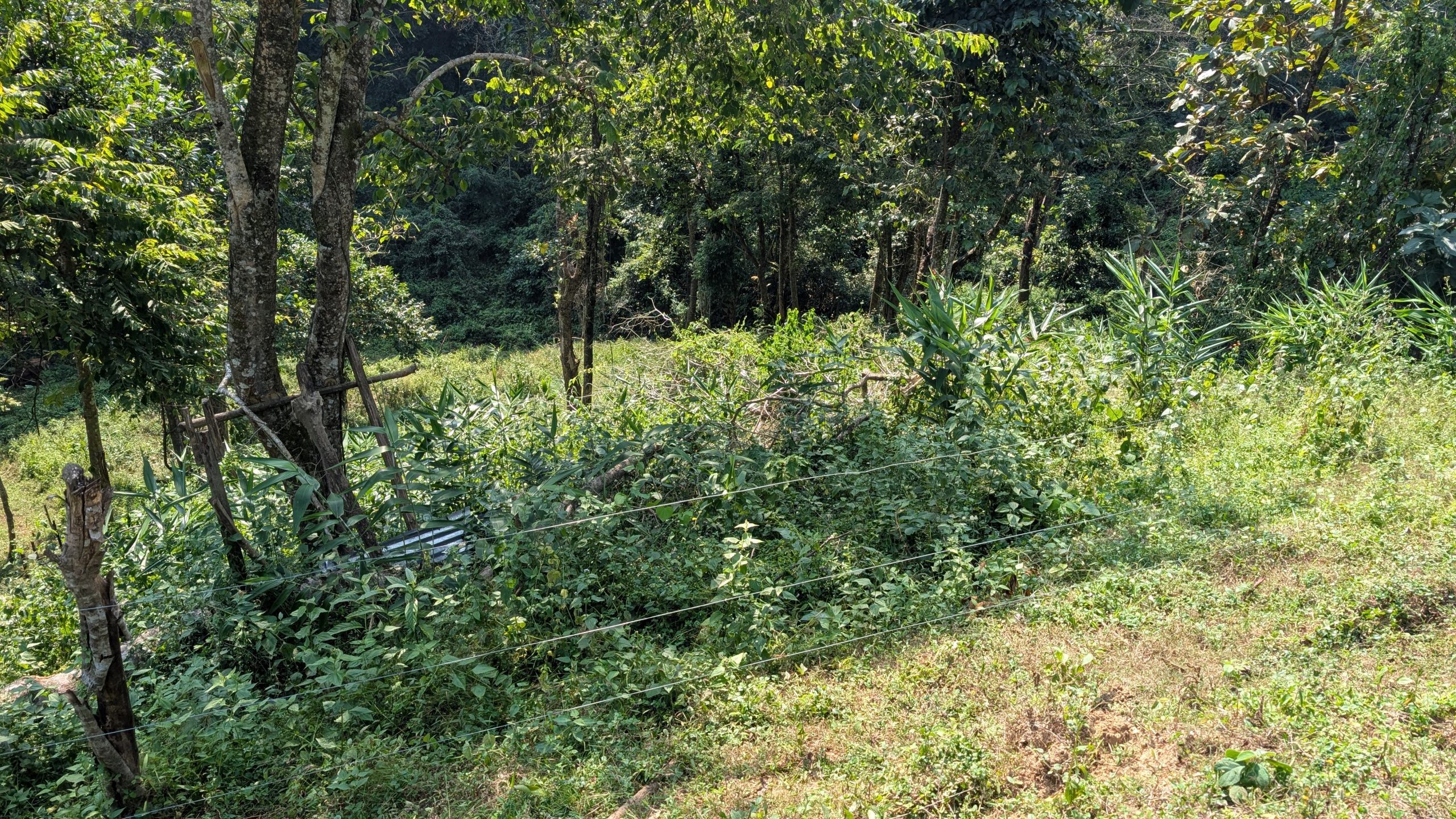
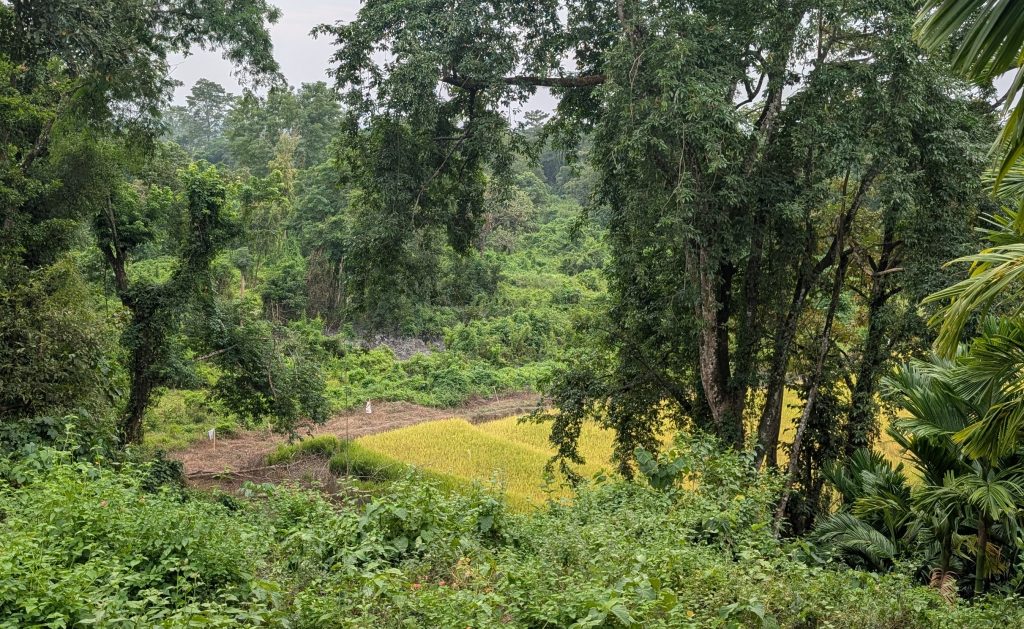
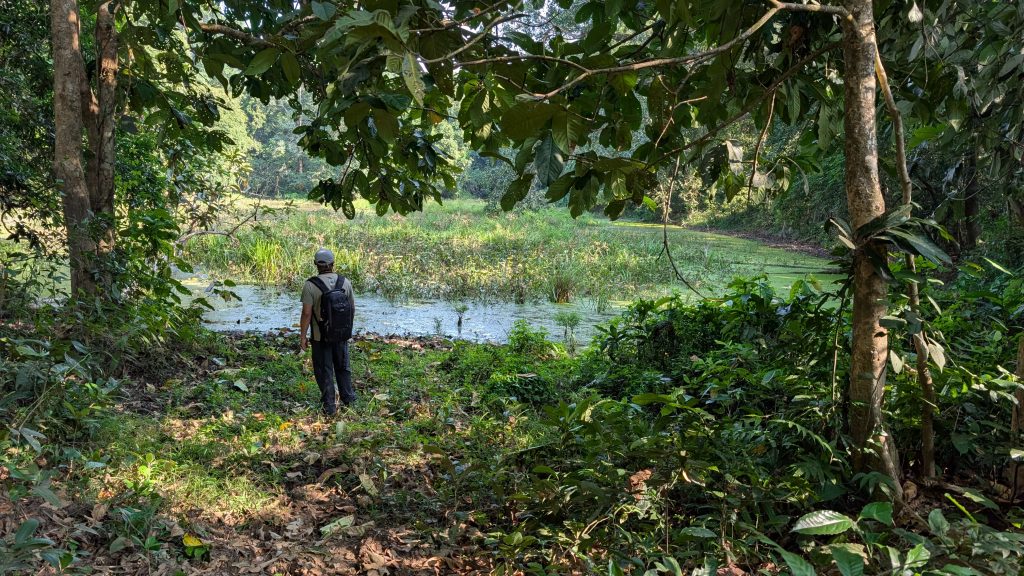
Broom grass plantation sites