Purpose
Restore a series of interconnected lakes and a culturally and ecologically significant lake to improve water access and climate resilience for communities and wildlife in Jomotsangkha Wildlife Sanctuary.
Climate Impacts
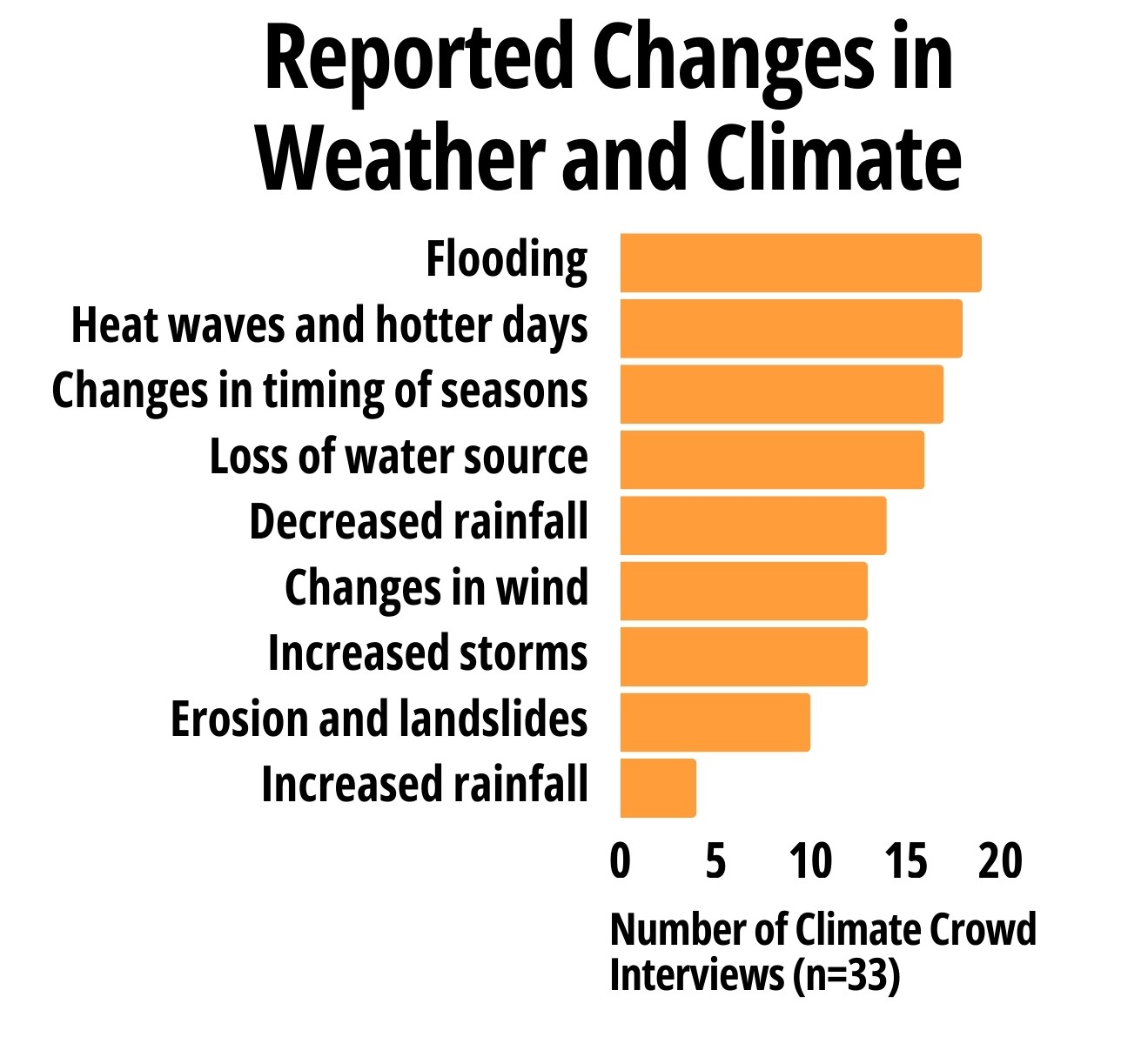
The following impacts were reported by community members in Jomotsangkha Wildlife Sanctuary:
• Decreased availability of freshwater leading to water shortages
• Increased flooding from more severe monsoons
• Loss of crops due to water scarcity and decreased rainfall
• Landslides and erosion that cause flooding and the degradation of grassland habitats
Activities
Site clearing
Undergrowth, debris, and invasive vegetation were cleared from the Seven Sister Lakes and Borla Lake to restore water quality. Excavated plant debris was burnt or buried to prevent propagation.
Pipe installation
Approximately 6 km of HDPE pipes were installed to direct water from an existing water source into one of the Seven Sisters Lakes, allowing for yearlong water availability.
Wall construction and breach repair
A concrete wall with steel reinforcement was built where Borla Lake had previously been breached. The wall was bioengineered to look like the natural landscape and improve water quality.
Habitat restoration
The land surrounding the lakes and the repaired wall around Borla Lake were restored with native vegetation to improve biodiversity and restore the habitat for wildlife. Native fish species were reintroduced to Borla Lake to revive the once thriving aquatic ecosystem.
Species monitoring
Improved presence of wildlife species was monitored around the lakes with camera traps, patrol sightings, and eDNA sampling.
project outcomes
project design
Jomotsangkha Wildlife Sanctuary (JWS) is a biologically rich protected area that supports endangered species such as Bengal tiger and Asian elephant, while also being home to over 450 households whose livelihoods primarily depend on climate-sensitive natural resources. Increasing habitat degradation and the drying of water sources have emerged as major challenges for two sub-districts in JWS, affecting both conservation outcomes and community well-being.
To address water scarcity, habitat degradation, and ecosystem resilience to climate variability, 8.8 hectares of interconnected lakes were restored, called the Seven Sister Lakes in Pemathang sub-district. In Langchenphu sub-district, Borla Lake, a site of high ecological and spiritual significance that was breached decades ago, was also restored. The lakes were de-silted, dredged, and invasive plant species were removed, improving the clarity of the water. In the past, the Seven Sister Lakes, which are primarily rain-fed, experienced low water levels during dry winter months. To address seasonal water scarcity, 6 kilometers of high-density polyethylene (HDPE) piping—known for its structural integrity and reliable performance under diverse environmental conditions—was installed to channel water from an existing perennial stream to the first of the Seven Sister Lakes, which feeds into the remaining lakes.
To revive the ecological and cultural function of Borla Lake, the breach was repaired with a concrete wall reinforced with steel. These materials were chosen for their strength, durability, and resistance to water pressure, moisture, and pests. The wall was designed to blend in with the natural landscape, reducing its impact on biodiversity. After completion of the wall and overgrowth was cleared, a local fisherman was hired to restock the lake with native fish species that were once abundant before the breach.
The habitats around the Seven Sister Lakes and Borla Lake were also restored with native vegetation, improving wildlife movement and foraging. Restoring these lakes supported a variety of species, including tigers, Asian elephants, guar, leopards, sambar deer, wild pigs, wild dogs, Himalayan crested porcupines, macaques, civets, and around 175 species of birds. The presence of these species is documented using camera traps, routine patrols, and eDNA sampling.
Image credits: Nikhil Advani/WWF-US
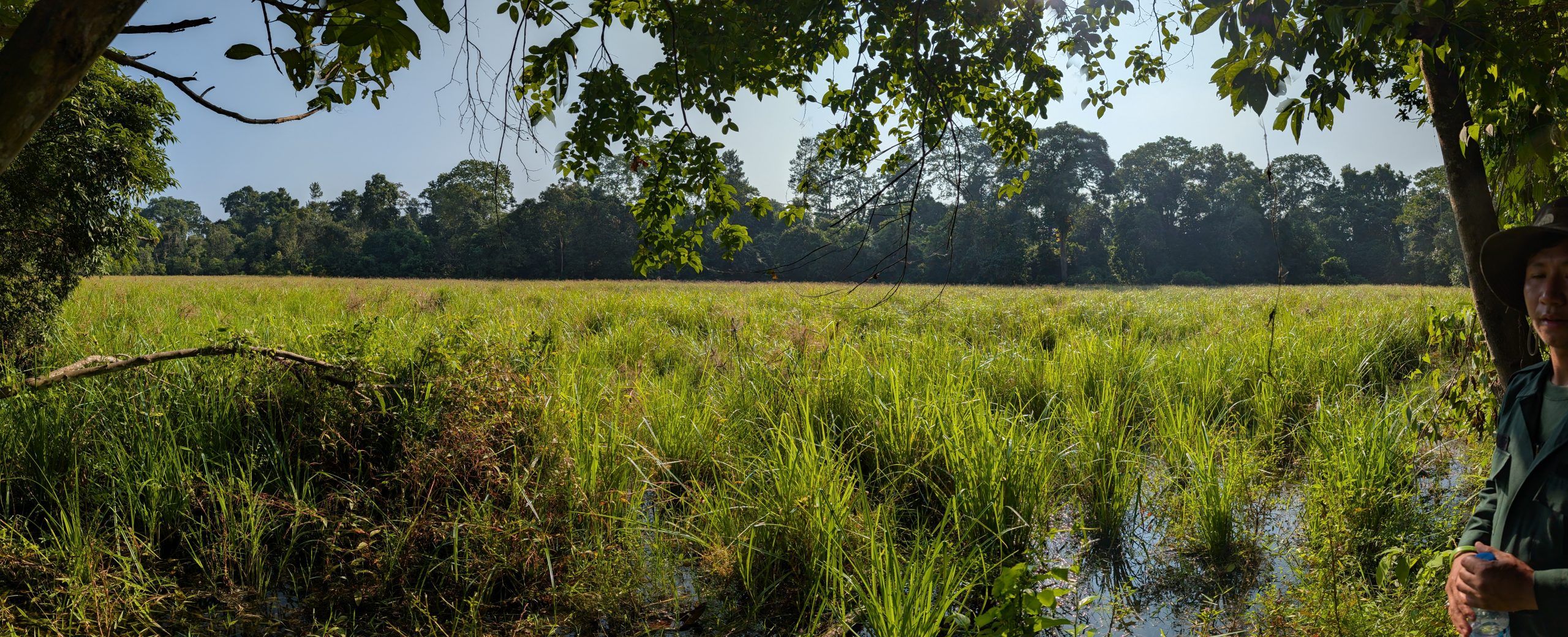
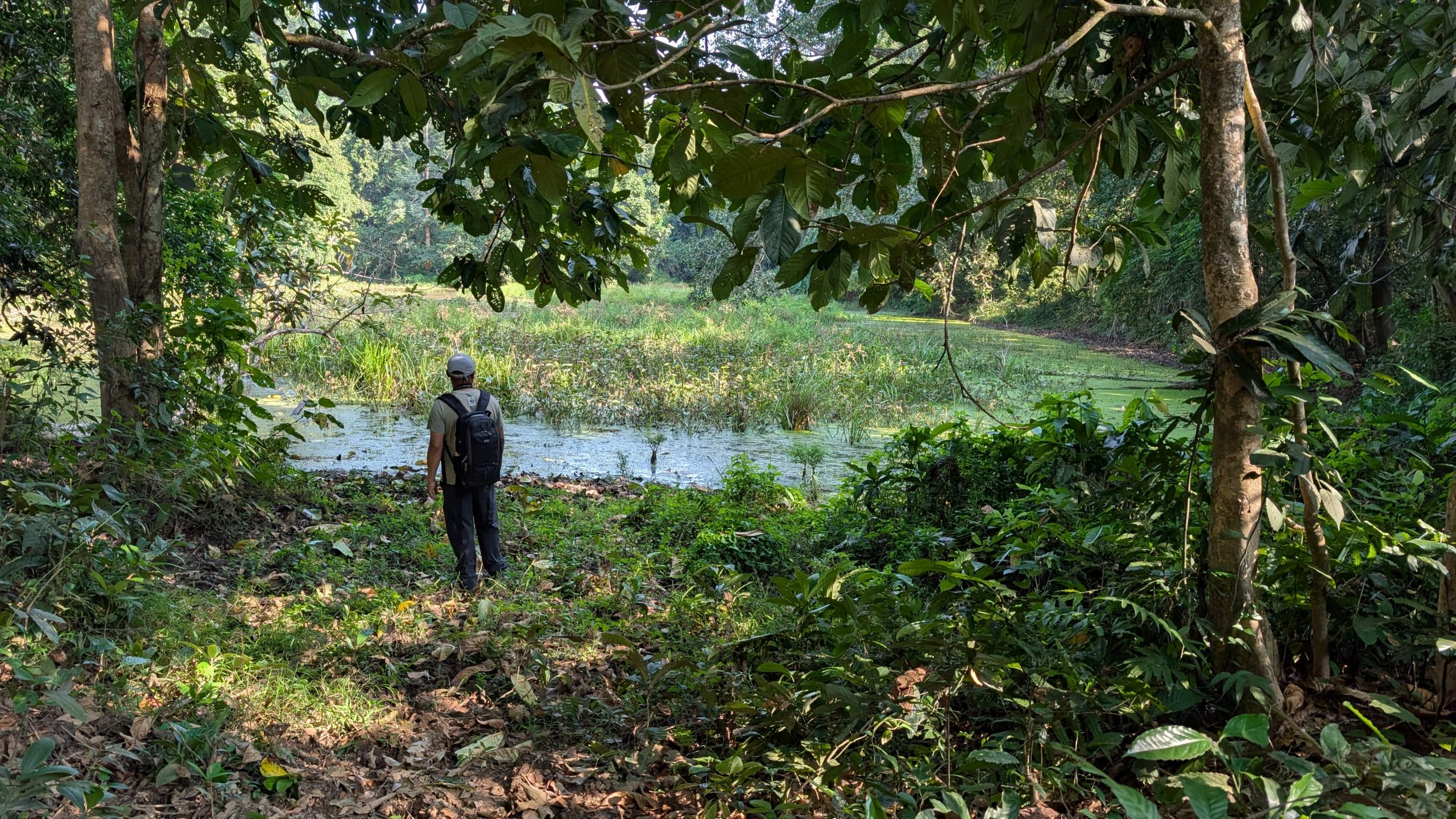
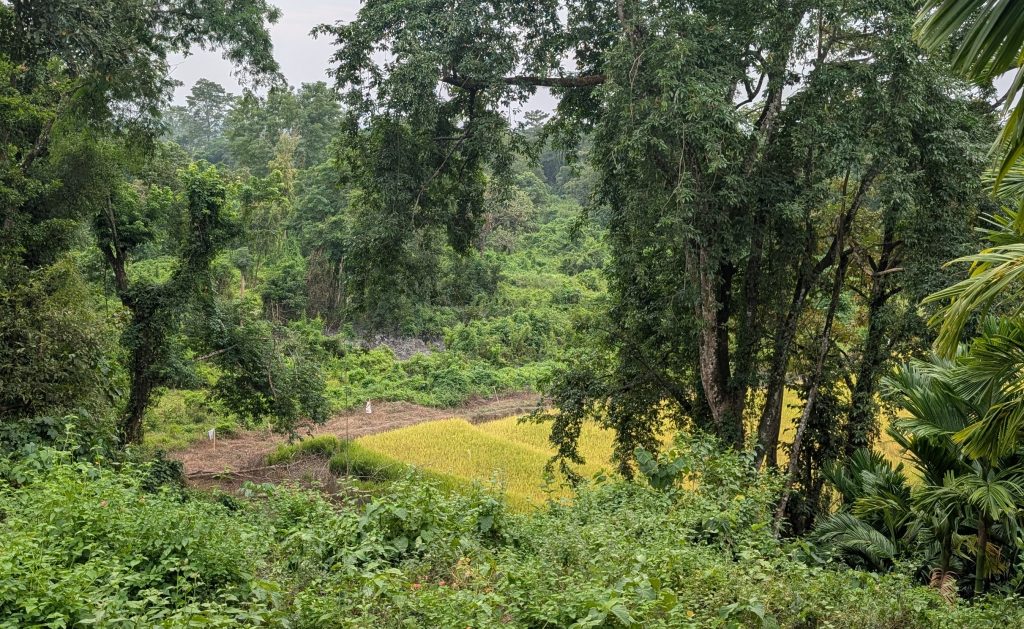
The overgrown Seven Sister Lakes
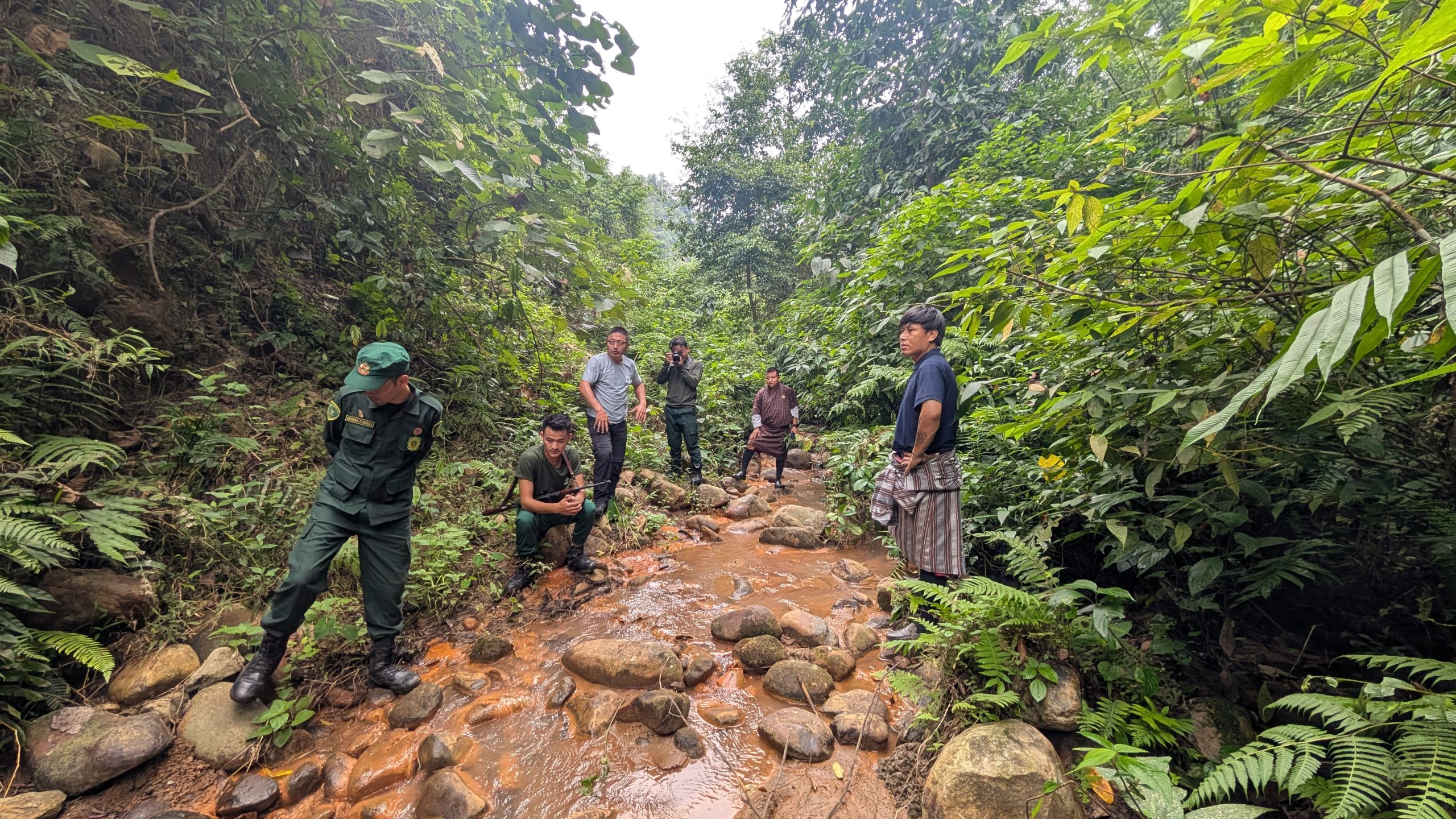
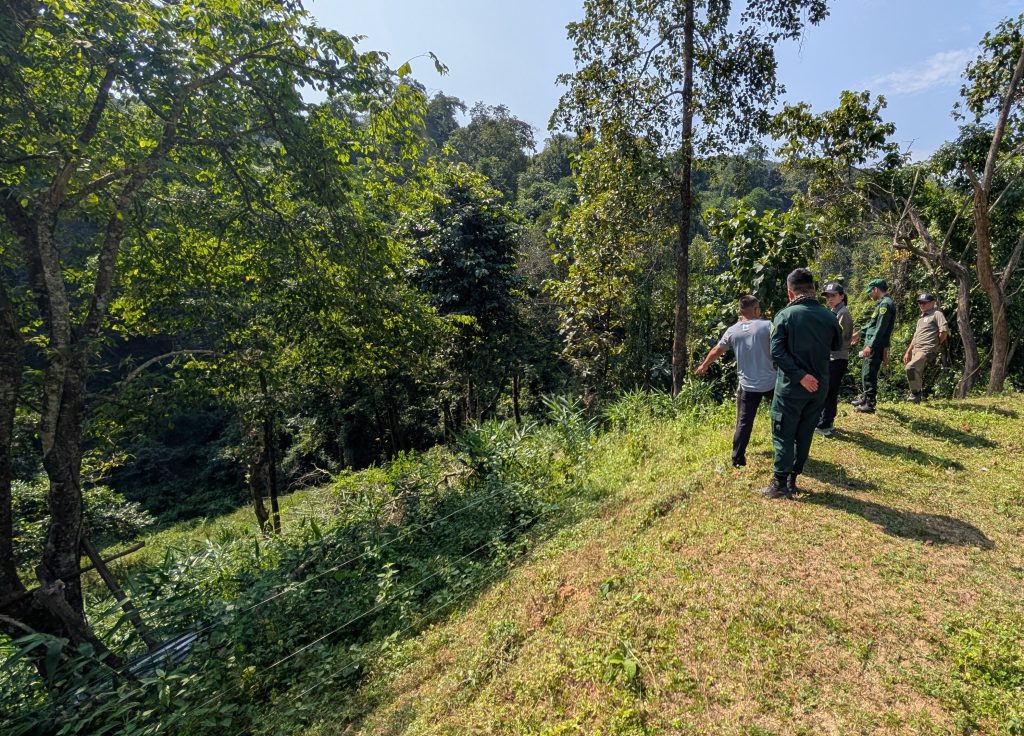
The site of the breach at Borla Lake, where the new wall will be constructed