Purpose
Provide community members with the necessary capacity and tools to produce thick-walled bamboo for climate-resilient income generation in Jomotsangkha Wildlife Sanctuary.
Climate Impacts
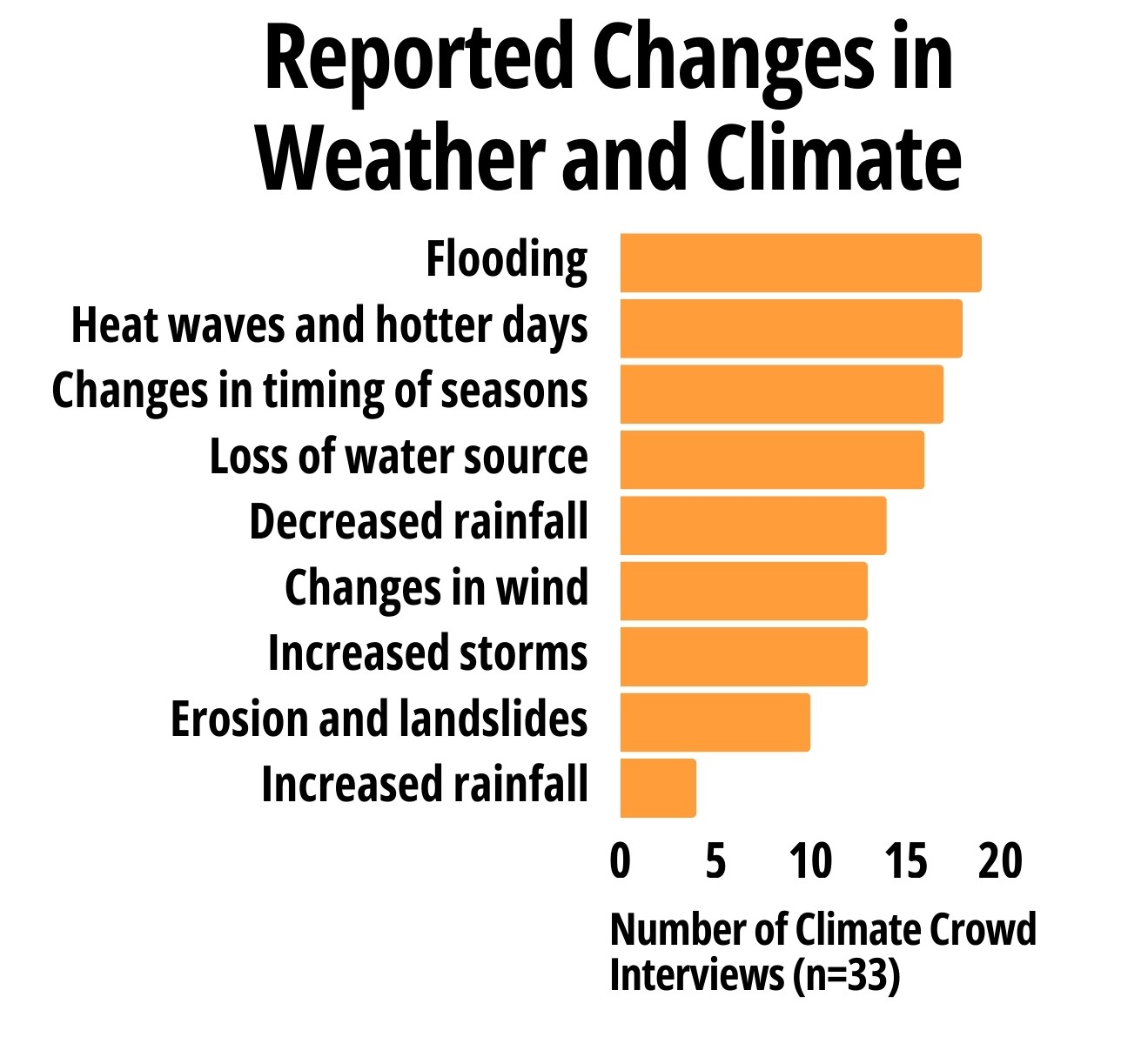
The following impacts were reported by community members in Jomotsangkha Wildlife Sanctuary:
• Decreased availability of freshwater leading to water shortages
• Increased flooding from more severe monsoons
• Loss of crops due to water scarcity and decreased rainfall
• Reduced income from crop losses
Activities
Site development
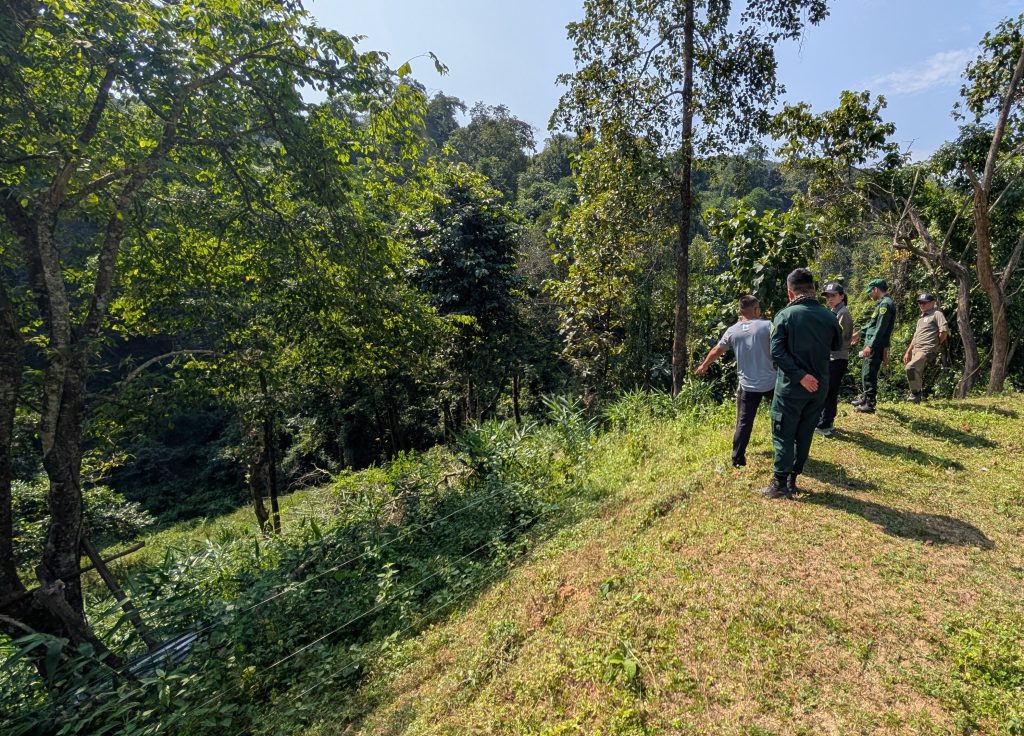
Five hectares of state reserved forest land—previously used for agriculture—was selected for thick-walled bamboo plantation. While not heavily forested, the identified area was cleared of large bushes and vegetation to prepare for bamboo plantation. Clear felling of trees was avoided. The land was then leased to the participating households.
Fencing repair
The selected site for bamboo plantation already had electric and chain-link fencing to protect the area from people and wildlife, but much of the fencing was damaged. In response, five kilometers of existing electric fence was repaired, including wires, energizers, and poles.
Training on bamboo cultivation and marketing
Members from 33 households were provided with hands-on training on bamboo plantation, cultivation, and marketing. The training covered basics on bamboo nurseries, propagation, planting techniques, harvesting, post-harvest management, basic bookkeeping, and mambo marketing. As part of the training, participants were taken on an exposure visit to Bhutan Tshar Institute, which serves as a nodal agency for bamboo research and product development.
Bamboo plantation group bylaw development
A bamboo plantation group for the 33 participating households was created, along with bylaws since the bamboo plantation occurred on state reserved forest land. The bylaws provided a structured legal framework for the group’s internal affairs, ensuring consistency, fairness, and smooth operation. The bylaws also defined the group's vision/purpose, membership requirements, roles and responsibilities, and procedures for meetings and finances.
project outcomes
project design
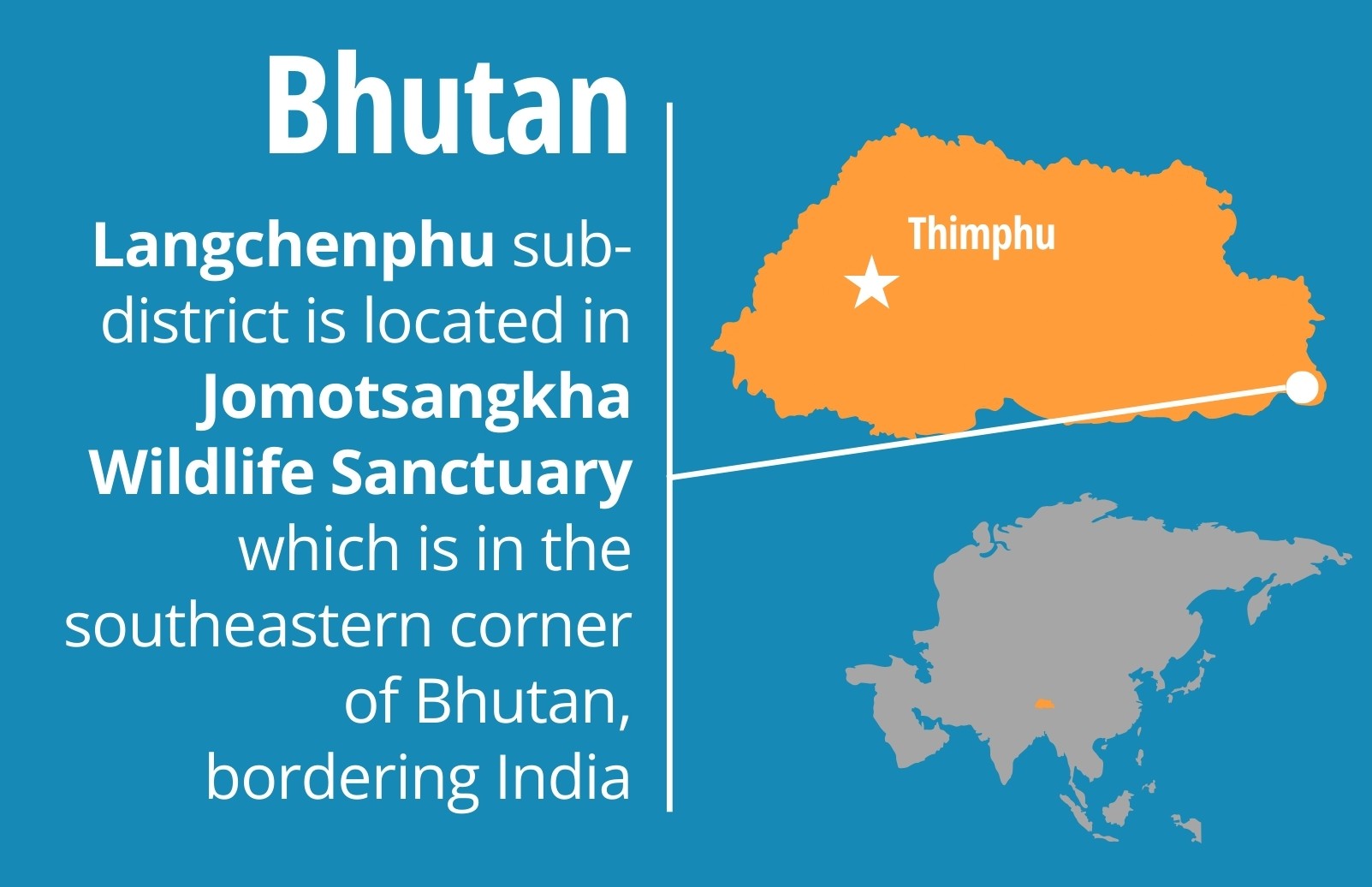
Jomotsangkha Wildlife Sanctuary (JWS) is ecologically significant, serving as a biological corridor connecting protected areas in Bhutan and India and supporting endangered species such as the Bengal tiger, Asian elephant, pygmy hog, and hispid hare. At the same time, about 1,752 people across 457 households live within the sanctuary and rely primarily on agriculture and animal husbandry. Climate variability, habitat degradation, invasive species, and wildlife crop depredation have led to declining crop yields and incomes. Community consultations conducted jointly by JWS management and WWF-Bhutan confirmed the need for livelihood interventions that are both climate-adaptive and conservation-friendly, with communities themselves leading the decision-making process.
Through these consultations, the community of Jangsa under Langchenphu sub-district identified thick-walled bamboo (Bambusa balcooa) plantation as a priority intervention. The project will establish bamboo plantations on five hectares of state reserve forest land previously used for agriculture and now secured with electric and chain-link fencing. Site development will involve clearing bushes without clear felling of trees, repairing damaged fencing to prevent wildlife intrusion, and formally leasing the land to a community group for plantation management. This approach supports land restoration while reducing crop loss and human–wildlife conflict.
The intervention was supported by targeted capacity building and institutional strengthening. Thirty-three households received hands-on training in bamboo nursery management, propagation, planting, harvesting, post-harvest handling, basic bookkeeping, and marketing, with technical expertise sourced from Tsirang Forest Division and exposure visits to the Bhutan Tshar Institute. Formal bylaws were developed under the leadership of the sub-district to govern group operations, clarify roles and responsibilities, and establish standard operating procedures for plantation management. Together, these measures aimed to create a sustainable, climate-resilient livelihood that enhances community income while contributing to habitat protection and landscape stability within JWS.
Image credits: Nikhil Advani/WWF-US
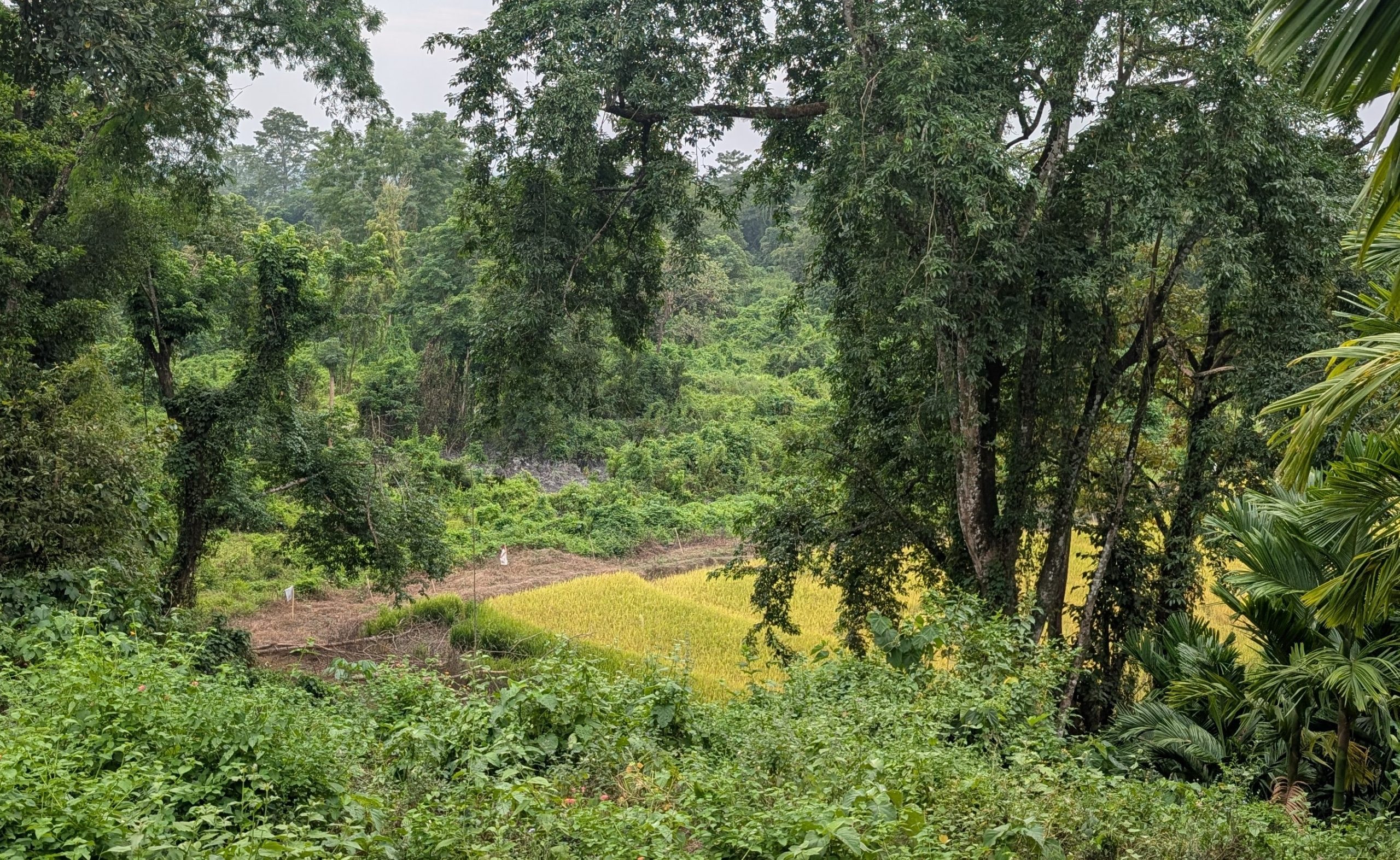
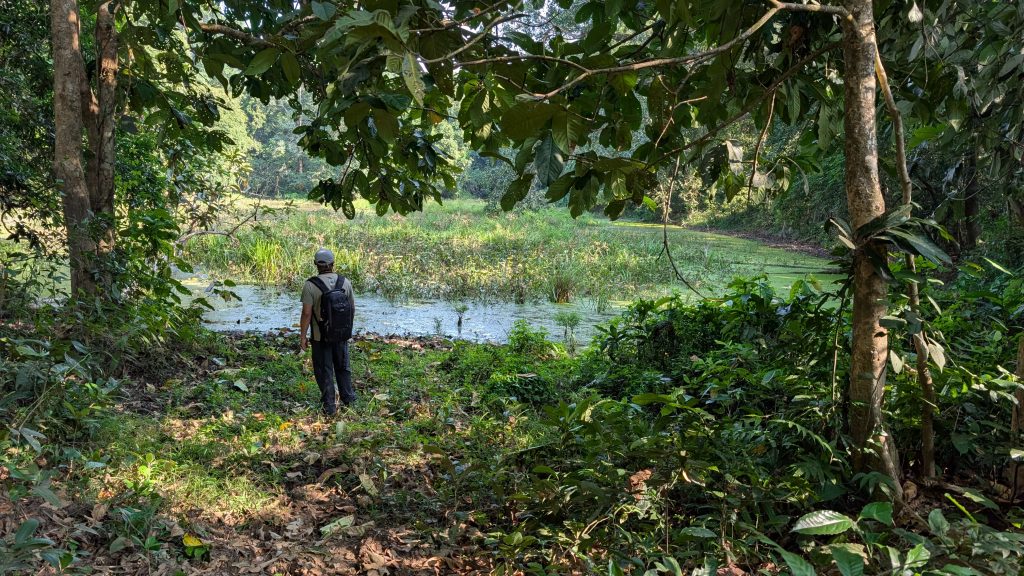
One of the bamboo plantation sites