Purpose
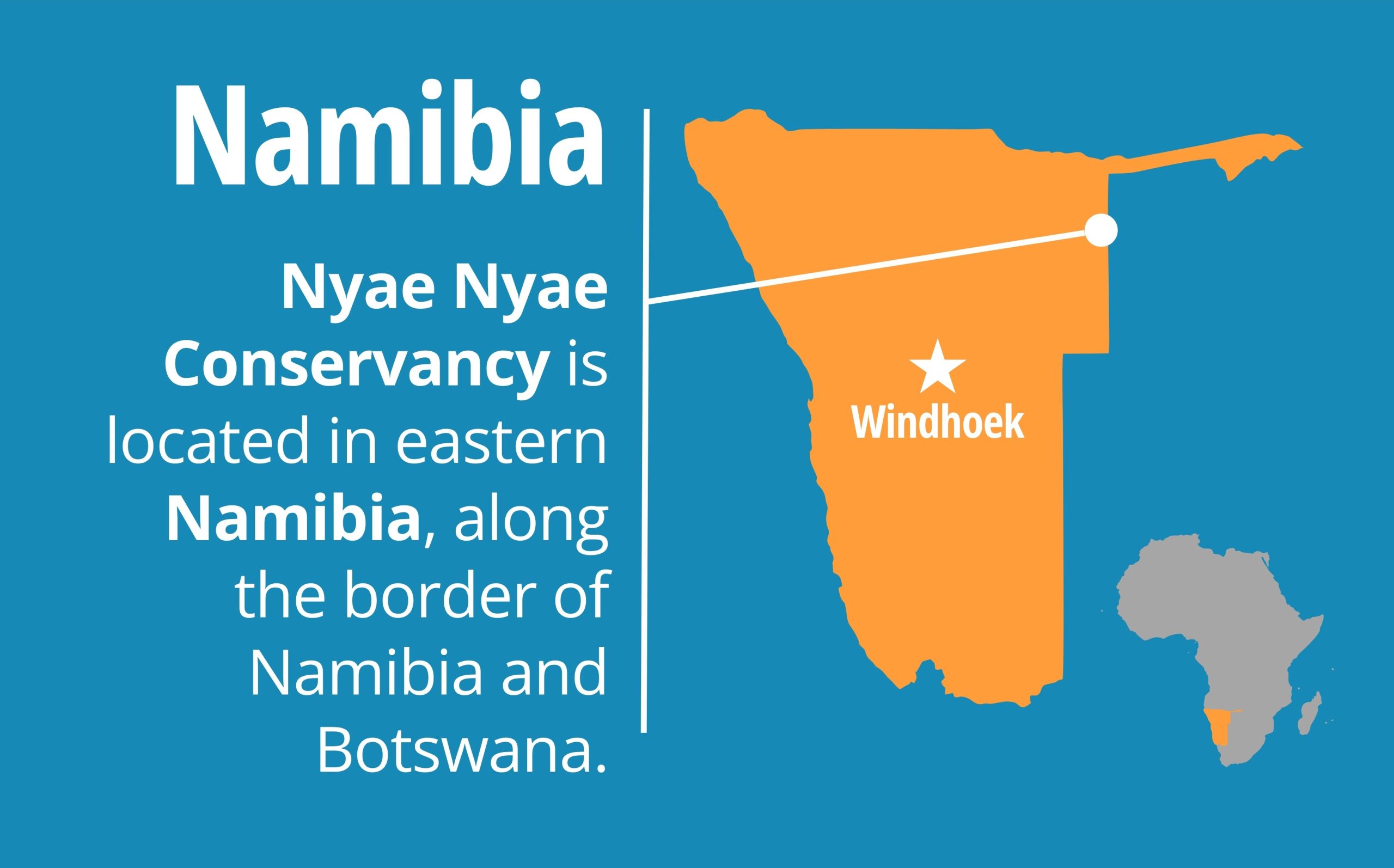
Develop baobab-based livelihoods to increase tree conservation and income generation for the Indigenous San peoples in Nyae Nyae Conservancy.
Climate Impacts
The following impacts were reported by community members in Nyae Nyae Conservancy:
• Reduced availability of veld foods due to recurring drought and unpredictable rainfall
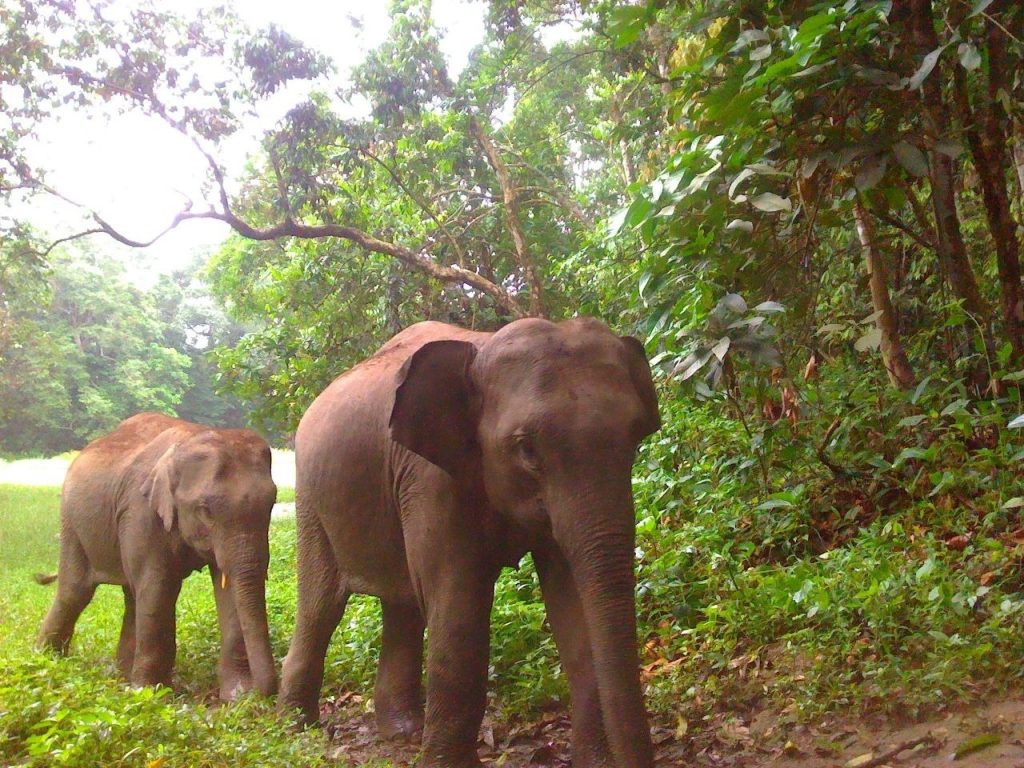
• Increased destruction of Baobab trees by elephants due to changing foraging patterns
• Loss of crops due to water scarcity and decreased rainfall
• Reduced income from crop losses
Activities
Project inception and establishment
Inception meetings and field visits with the conservancy and key stakeholders, including a baobab tree products expert, took place to introduce the baobab business model, clarify implementation arrangements, identify villages interested in participating, and pinpoint areas with key baobab production potential.
Tools and supplies procurement
Tools, supplies, and equipment required for manual baobab processing were procured and allocated to participating villages.
Processing facility selection
A suitable processing facility was identified and necessary improvements were made to ensure safety and efficiency. Establishing an appropriate processing space was essential for maintaining product quality and providing a central location for training and production activities.
Processing and skills development
A baobab tree product expert trained community members from all identified villages on the techniques required to transform baobab pods into market-ready powder, coffee, and oil. Training covered pod opening, pulp removal, pulverizing, sieving, hygiene practices, and product handling. Individuals demonstrating suitable skills and commitment were selected to undertake processing activities on a daily basis as required.
Community harvesting
Village members regularly harvested baobab pods over the production season. Regular trips were taken to collect harvested pods from villages, record production data, and make payments based on a pre-agreed purchase price per kilogram. The pods were then transported to the processing facility. Following the initial training, processors converted harvested pods into baobab powder as raw materials became available. Developing a local processing workforce added value within the community rather than exporting raw products, thereby increasing local economic benefits.
Quality assurance testing
Quality assurance testing was conducted on processed baobab powder and other products to verify that products met the required standards for safety, quality, and market acceptance.
Branding and packaging development
A distinct Nyae Nyae baobab brand was developed, including a logo and packaging design. A strong brand identity helped differentiate the product, communicate its community-based origins, and increase its appeal to consumers. Packaging materials were also sourced, and the processed baobab products were packaged in a manner that preserves quality, improves shelf life, and enhances presentation.
project outcomes
project design
In the Nyae Nyae Conservancy of northeastern Namibia, home to the Ju/'hoansi San community, the iconic baobab tree faces a growing threat. Rising elephant damage—likely driven by climate variability, prolonged drought, and changing foraging patterns—has pushed over or severely ring-barked many mature baobabs, raising serious concerns about the long-term survival of baobab trees which are deeply woven into Ju/'hoansi cultural heritage, ecological wellbeing, nutrition, and local tourism. A comprehensive community asset-mapping exercise conducted across all 36 villages of the conservancy in 2024–2025 reinforced the significance of natural resources to community life, identifying veld foods and the traditional knowledge to harvest them as among the most valued assets, while also revealing vulnerabilities such as food insecurity and limited livelihood opportunities.
To address these intertwined conservation and livelihood challenges, a community-owned baobab value chain was developed that transforms raw baobab pods into marketable powder, seed oil, and coffee, rather than allowing raw materials to leave the conservancy unprocessed. By increasing the economic value that communities derive from living baobab trees, the project created a tangible incentive to protect and restore the trees. The initiative tested production methods, built local processing skills, and established market linkages, generating the technical and financial evidence needed to determine whether the enterprise can be scaled into a larger, self-sustaining business. In keeping with the Ju/'hoansi tradition of women leading veld food harvesting, women made up the majority of participants and beneficiaries.
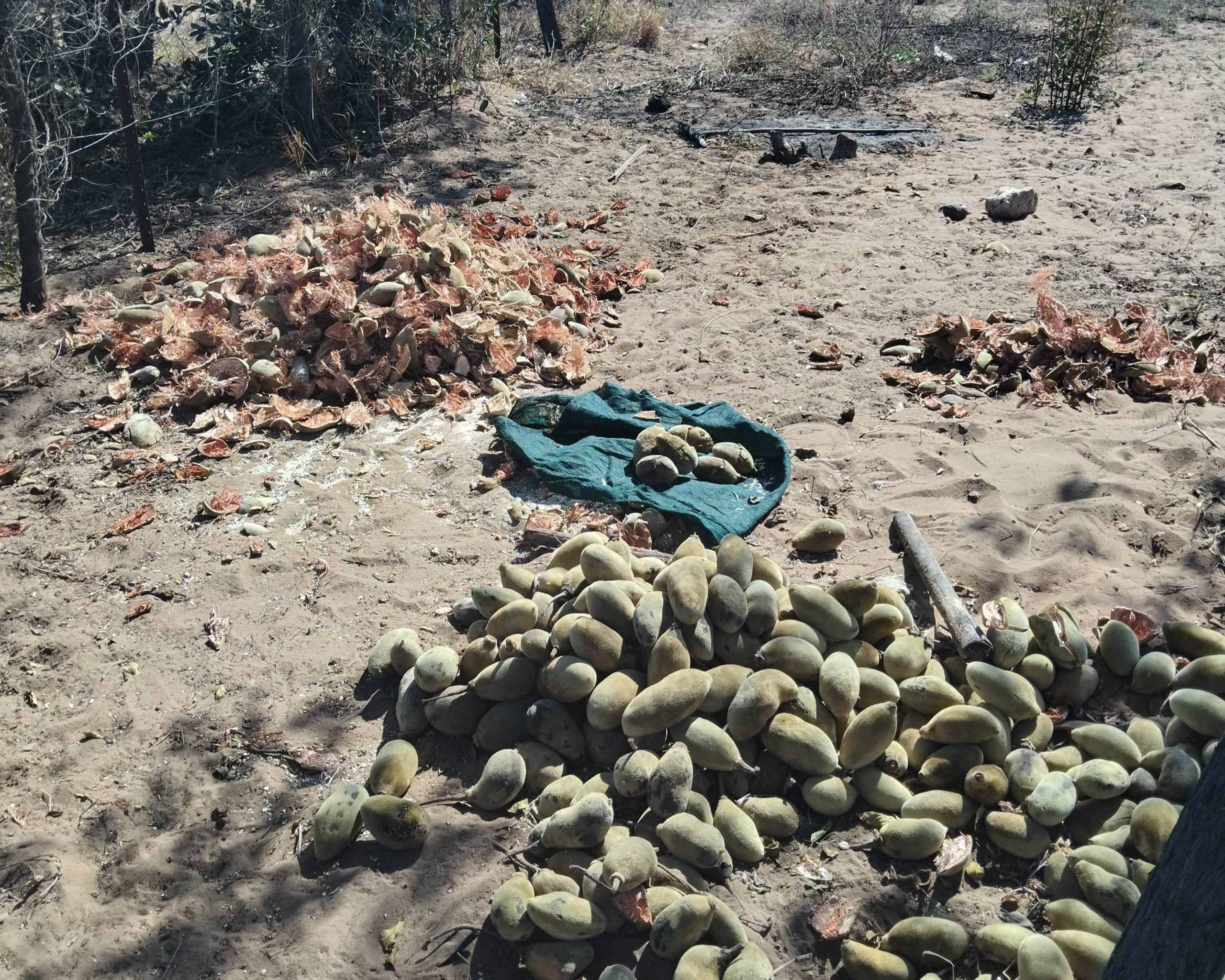
Harvesting of baobab tree pods
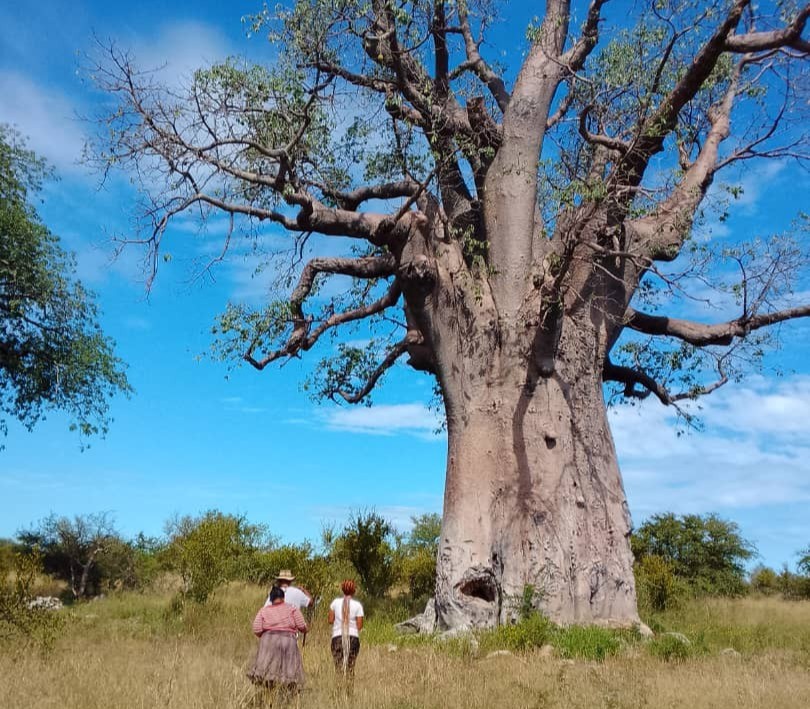
A mature baobab tree in Nyae Nyae Conservancy
Villages in Nyae Nyae Conservancy near known baobab distribution areas took part in harvesting, with a limited number of registered collectors gathering and selling pods from their own communities. From there, pods were transported to Tsumkwe, the conservancy's main settlement, where they were stored and processed. Because transport constraints make it impractical for most people from outlying villages to travel into Tsumkwe regularly, processing itself is carried out locally by Ju/'hoansi community members already based in Tsumkwe.
Conservancy stakeholders met with an experienced Namibian baobab entrepreneur to establish the business model and identify participating villages. Collectors were then trained in sustainable harvesting, handling, and storage, while a processing facility was set up in Tsumkwe. During the harvesting season, pods were collected on a rolling basis, with production recorded and collectors paid per kilogram before pods were transported to Tsumkwe for processing. There, trained community members converted pods into baobab powder, while seeds were processed separately into coffee or oil. The project also supported quality assurance testing, the development of a distinct "Nyae Nyae Baobab" brand and packaging, and support for market access.
Image credits: Nikhil Advani/WWF-US; WWF-Namibia