Purpose
Prevent wildlife crop raiding and other conflict through the installation of electric fences while also improving wildlife movement pathways between Bhutan and India.
Climate Impacts
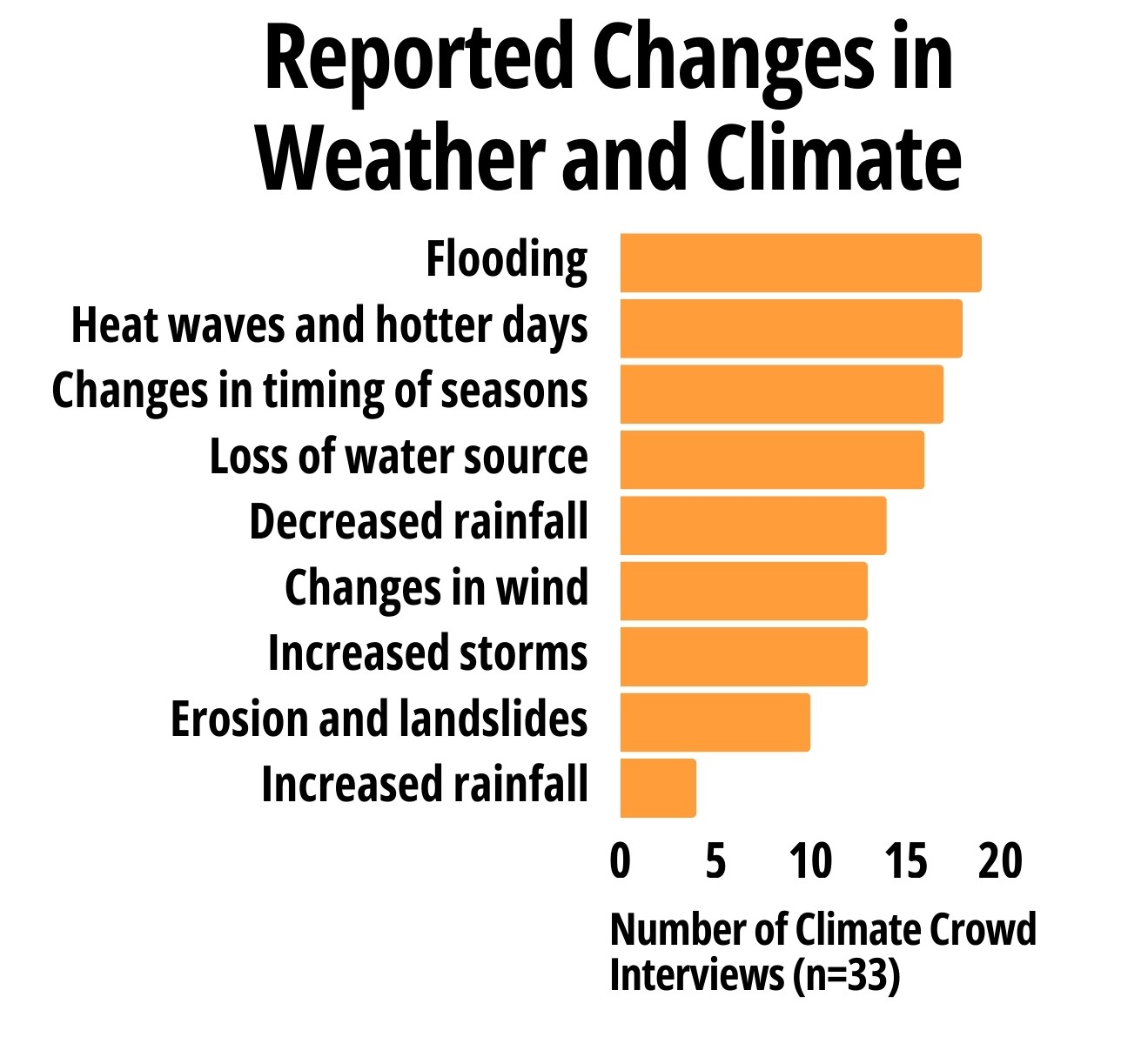
The following impacts were reported by community members in Jomotsangkha Wildlife Sanctuary:
• Decreased availability of freshwater leading to water shortages
• Increased flooding from more severe monsoons
• Loss of crops due to water scarcity and decreased rainfall
• Increased crop raiding from wildlife
Activities
Site selection
Sites were selected based on observed and voiced community needs. Community meetings were held prior to the project inception where the need for fencing was brought up.
Fence installation
Based on community and government conversations, the fencing was installed in agreed-upon areas where crop raiding was causing serious and perceivable issues.
project outcomes
project design
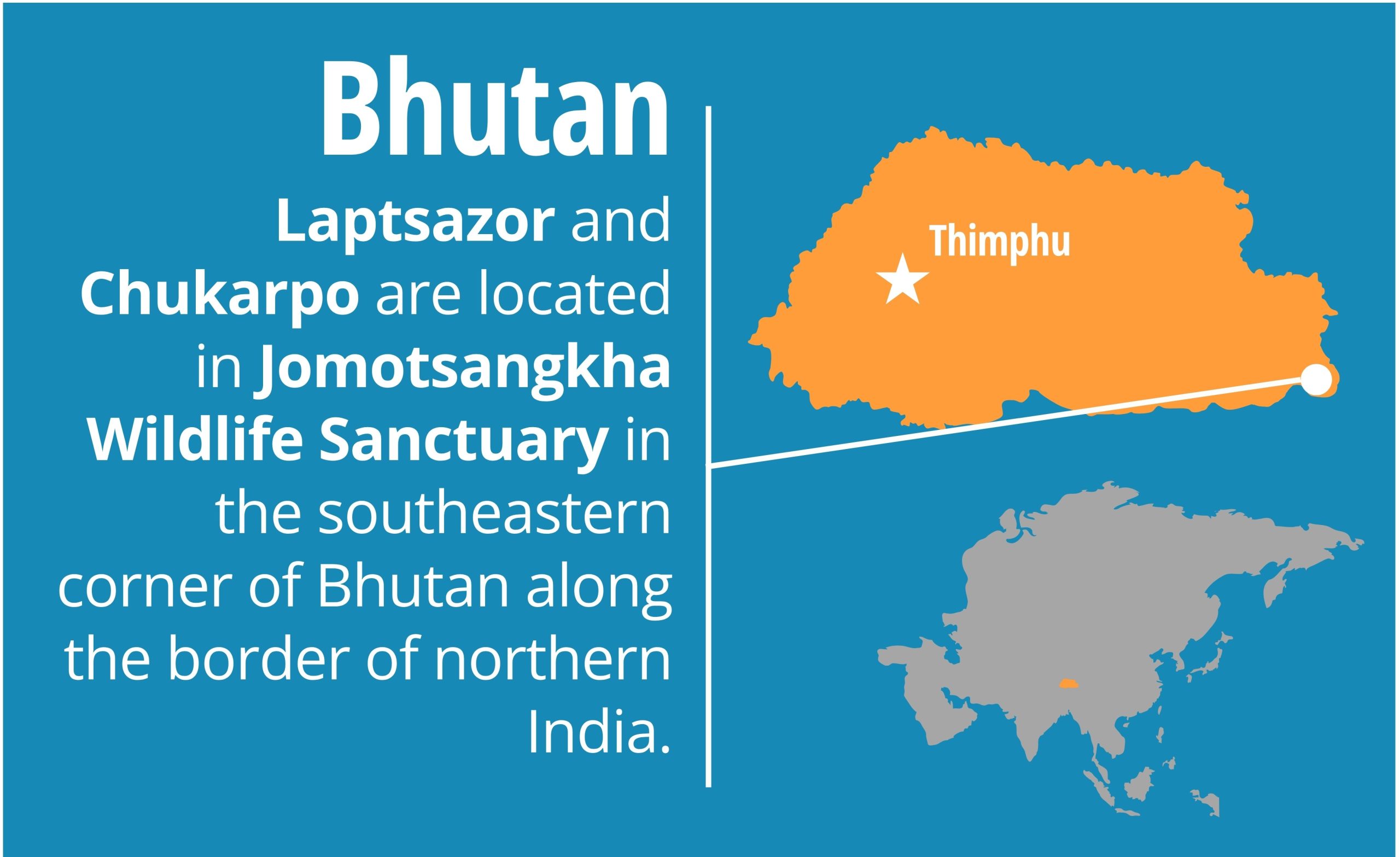
Jomotsangkha Wildlife Sanctuary (JWS) is a biologically rich protected area that supports endangered species such as Bengal tiger and Asian elephant, while also being home to over 450 households. Human-wildlife conflict, particularly elephant crop raiding, has emerged as one of the most pressing threats to rural livelihoods.
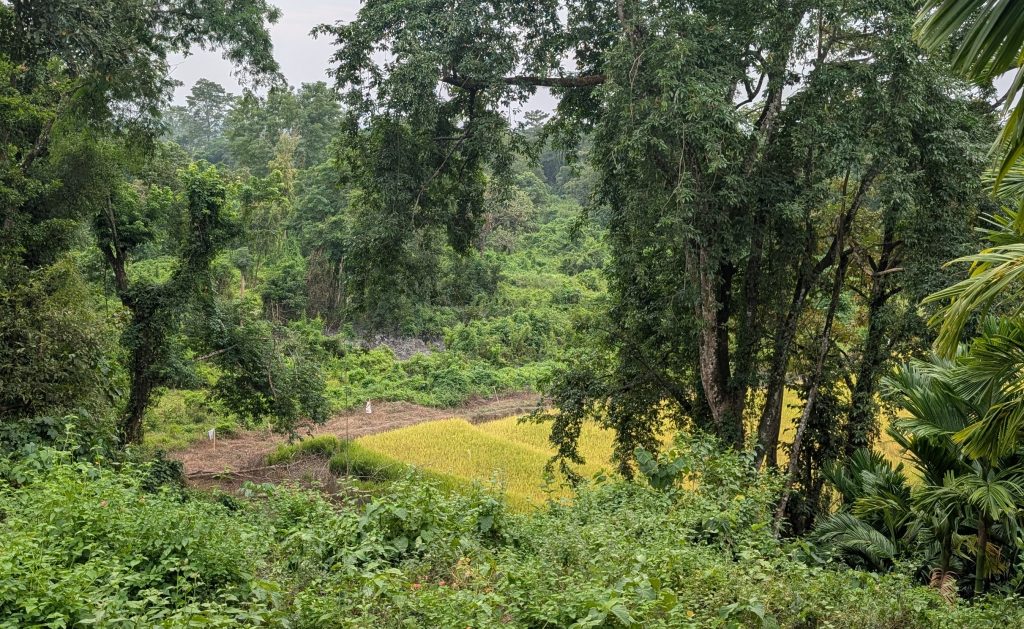
In communities like Laptsazor, repeated elephant incursions have forced farmers to abandon cultivable farmland, driving down agricultural production and deepening food insecurity. In response, nearly a mile of electric fencing was installed to protect almost five hectares of agricultural land belonging to two households, creating the conditions for farmers to return to fields that elephant pressure had forced them to abandon.
A second intervention followed the same protective logic: in Chukarpo, Lower Langchenphu, approximately 0.3 miles of electric fencing was installed to safeguard more than 15 hectares of farmland relied upon by 18 households. A new municipal border wall was built in Chukarpo bordering farmland between Bhutan and India. This wall blocked the traditional migration route of elephants between the two countries, leaving only one corridor open and exposing farmland to intrusion. Once elephants enter the cultivated area through this opening, they have limited options for exit. They often either retrace their path or move through the entire cropland, causing extensive crop damage before entering the nearby village. This has significantly increased the risk of human-elephant conflict and threatens the livelihoods of farming households. The new fencing was installed along the open corridor to redirect elephants from the farmland, preventing damage and creating a more direct and safe route for elephant passage.
For many years, farmers have relied on traditional crop guarding practices, spending countless sleepless nights in their fields to deter elephants and other wildlife. The installation of these fences provides much needed relief from this physically demanding and risky practice. By protecting active farmland and enabling the recovery of fallow fields, the interventions support household food security and the broader goal of fostering coexistence between local communities and wildlife.
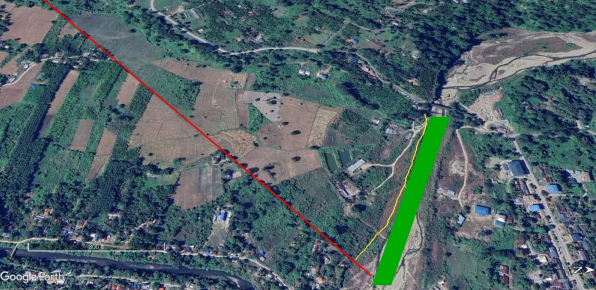
A map showing where the fence was installed. The new municipal wall is in red, the new electric fence is in yellow, and the elephant passage route is in green.