Purpose
Strengthen the resilience of ranching communities in Madre de Dios by improving water security, promoting sustainable land use, and reducing human–wildlife conflict.
Climate Impacts
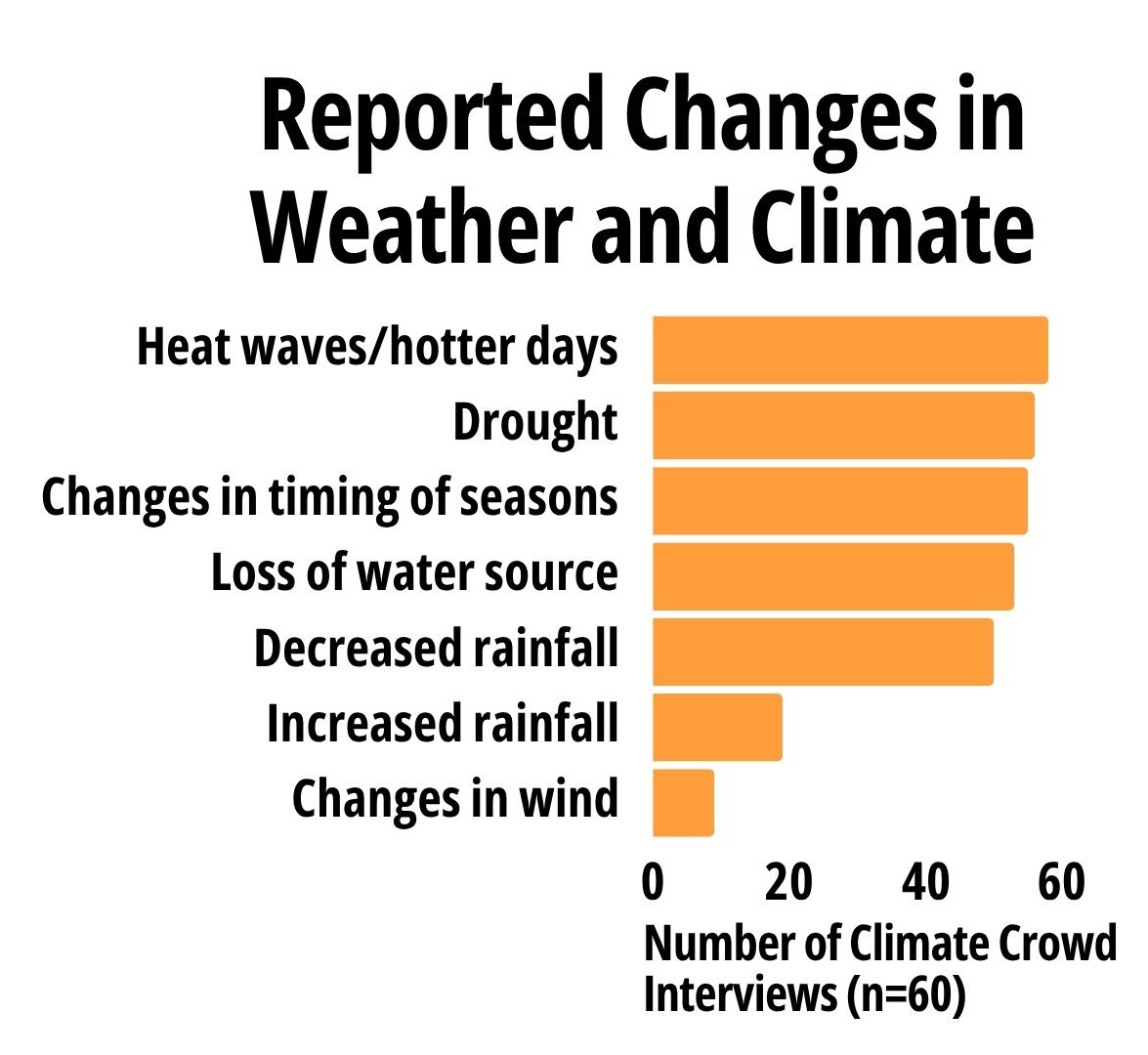
The following impacts were reported by community members in Madre de Dios:
• Decreased availability of water and food sources
• Increased human-wildlife conflict as both compete for dwindling resources
• Poor livestock health due to degraded pastures from extreme heat and drought
• Shortages in income due to reduced agricultural productivity
Activities
Site selection and intervention planning
Field visits were conducted at various ranches to determine site-specific conditions and needs. Ranch areas with high exposure to drought, potential for ecosystem regeneration, and high risk for conflict with wildlife were selected. Drones were used to assess the terrain conditions and locations for interventions. Each of the ten selected ranches received a site-specific operational plan.
Rehabilitation and creation of water catchment ponds and natural springs
Water catchment ponds were built on ranches lacking water storage structures, each with a holding capacity of 250 cubic meters and designed to collect and store rainwater during the rainy season. Existing ponds on ranches were rehabilitated through sediment removal, the use of purifying plants, slope reshaping to recover storage capacity, and geomembrane installation to enhance capacity and reduce water loss. On ranches with natural springs, small ponds were constructed to rehabilitate and conserve these water sources.
Reforestation of riparian zones
Recharge areas and riparian zones with native species were reforested to enhance groundwater recharge, reduce erosion and sedimentation, regulate water flow, and protect biodiversity by restoring hydrological connectivity and vegetation cover on the ranches.
Installation of protective fencing
Protective fencing was either installed or improved at each ranch to prevent direct access of livestock to forested areas and habitats. The fencing minimizes land degradation caused by livestock and safeguards livestock from predation by large felines, contributing to both habitat conservation and reduced human–wildlife conflict.
Community training
Capacity building workshops for beneficiary ranchers and households were held, focusing on sustainable water management practices, pond maintenance, water quality control, and sanitary and ecological risk mitigation.
Community monitoring
Monitoring is carried out by ranchers who track their livestock’s use of the water ponds. Ranchers also monitor camera traps to document cattle presence in forested streams, interactions with wildlife, and bird activity at the ponds. The presence of birds at the ponds signals their ecological role as artificial wetlands.
project outcomes
project design
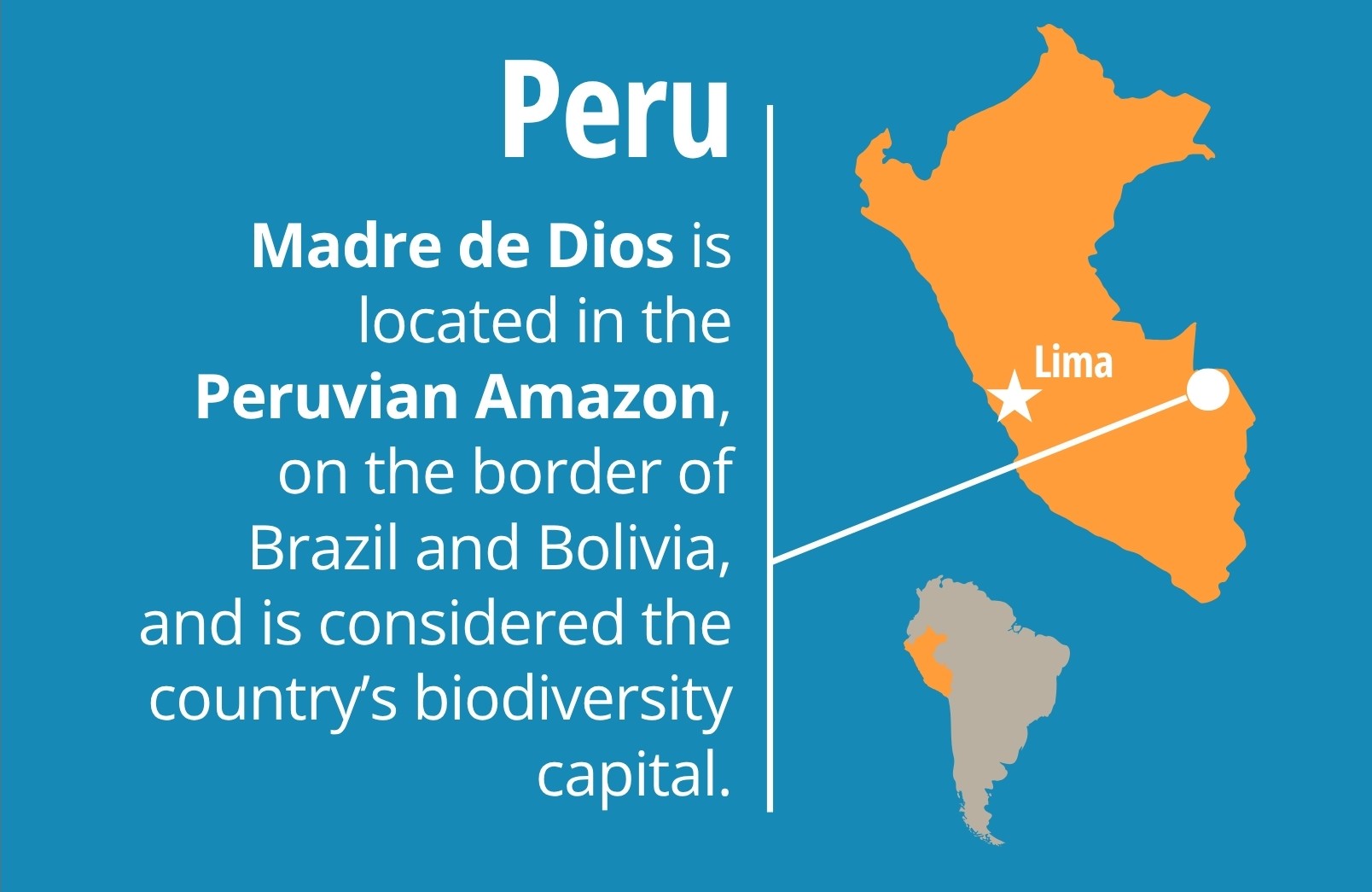
In the Madre de Dios region of Peru, one of the Amazon’s most ecologically significant regions, livestock farming communities are facing mounting challenges due to climate change, including prolonged droughts, extreme heat, and shrinking freshwater sources. These conditions are severely affecting livestock health, pasture productivity, and household income, while also intensifying human–wildlife conflict as animals compete for limited water resources.
In the district of Iberia in Madre de Dios, a set of integrated measures aimed at improving water availability, quality, and landscape resilience on ten ranches were implemented, ensuring consistent access to water throughout the dry season (July–November). This included building new water catchment ponds—each with a capacity of approximately 250 cubic meters—on ranches that didn’t have any as well as restoring existing ponds through sediment removal, slope reformation, and the installation of geomembranes to reduce infiltration. The water is used to provide drinking water for cattle, irrigate pastures, and support small-scale subsistence agriculture.
In addition, the project supported the rehabilitation of natural spring ponds on the ranches which provide year-round clean water and are vital for both livestock and local ecosystems. Reforestation of water recharge areas and riparian zones with native species enhanced groundwater infiltration, reduced erosion, and provided shade to minimize evaporation. Protective fencing was also installed to prevent livestock from entering adjacent forested areas, helping to lower the risk of conflict with wildlife such as jaguars and preventing the contamination of natural water sources.
Through the interventions and trainings, the project strengthened farmer capacity in four key areas: building resilience to extreme heat and drought, improving water availability, reducing economic losses from drought-induced livestock decline and wildlife conflict, and protecting biodiversity through habitat conservation. By promoting land-use strategies that reduce degradation and support ecosystem regeneration, ranchers are encouraged to keep cattle away from sensitive areas like riparian zones and forest edges, preserving ecological integrity and reducing human–wildlife conflict. By the end of the project, there were no reports of wildlife, especially jaguars and pumas, killing cattle and conversely, there were no reports of cattle encroaching on nearby wildlife habitats. Insights gained can be integrated into broader regenerative livestock initiatives and shared through farmer field schools and dialogues with local authorities.
Image credits: WWF-Peru
Water sources before restoration
Water sources after restoration, including new electric fencing